Child-centred dental assessment in Indira Nagar
Pediatric Dentistry in Lucknow
Pediatric dentistry covers preventive, diagnostic and treatment care for infants, children and adolescents while their teeth, jaws and confidence are developing. Care is adapted to age, medical needs, dental risk, communication and the child’s ability to cope with each procedure.
At Happi Smiles Dental Clinic and Implant Center in Indira Nagar, Lucknow, the team assesses teeth, gums, growth, habits, diet, fluoride exposure and dental anxiety, then provides suitable general care or coordinates referral to a paediatric dentist or another specialist when needed.
Children’s dental assessments are available Monday to Sunday, 10:00 AM–9:00 PM. Call to confirm age-specific and specialist availability.
Medically reviewed by Dr Harpreet Singh on 1 October 2026.
Pediatric Dentistry in Lucknow: the short answer
Pediatric dentistry at Happi Smiles in Lucknow combines early prevention, caries-risk assessment, growth monitoring, behaviour guidance and treatment planning. Parents or guardians receive clear options, while the child is involved in an age-appropriate way and referred when specialist facilities or expertise are needed.
A clinical assessment is required before deciding whether this care is appropriate.
What does this treatment include in Lucknow?
Children’s dental care includes examinations, preventive guidance, professional cleaning, fluoride and sealant assessment, management of decay and dental injuries, monitoring of tooth eruption and bite, and support for oral habits. It also includes planning for children with medical, developmental, sensory or communication needs.
Primary teeth help with eating, speech and space for permanent teeth. Developing permanent teeth can need different treatment from mature adult teeth. Decisions account for tooth type, root development, expected exfoliation and the child’s overall health.
Paediatric care protects current comfort while supporting future dental development.
When should a child first have a this treatment visit in Lucknow?
AAPD guidance recommends a first dental examination when the first tooth erupts and no later than 12 months of age. Early visits focus on feeding, brushing, fluoride, injury prevention and caries risk, not simply looking for cavities.
Children already older than this should still start without delay. Recall timing is individual and may be shorter for active decay, high caries risk, orthodontic appliances, developmental needs or previous trauma.
Early, low-pressure visits establish prevention and a dental home before urgent treatment is needed.
How are children assessed in pediatric dentistry at Happi Smiles?
The clinician reviews medical history, medicines, allergies, previous dental experiences, feeding and diet, fluoride exposure, brushing, oral habits and parental concerns. Examination checks teeth, gums, bite, tooth eruption, enamel development and signs of disease or injury.
Radiographs are selected only when history, findings and disease risk justify them. The child’s communication, anxiety, sensory preferences and ability to cooperate are considered before planning treatment or referral.
The assessment covers health, development, disease risk and the child’s experience of care.
How does pediatric dentistry manage dental anxiety?
Basic support
- Age-appropriate words and short explanations
- Tell-show-do and gradual familiarisation
- Positive reinforcement and descriptive praise
- Distraction, breaks and agreed stop signals
- Parent involvement suited to the child
When referral may help
- Very young age with extensive treatment need
- Severe anxiety or previous traumatic experience
- Complex medical or special health care needs
- Need for sedation or hospital facilities
- Treatment beyond the team’s training or setting
Behaviour guidance is individual. Consent must include the proposed technique, alternatives and the option to defer non-urgent care when safe.
Cooperation is supported, never treated as a character judgement.
How does pediatric dentistry help prevent tooth decay and gum problems?
Parents should help with twice-daily brushing using age-appropriate fluoride toothpaste and supervise until the child can clean effectively. Advice covers toothpaste amount, spitting, interdental cleaning, sugary food and drink frequency, bottle use and protective mouthguards.
Professional fluoride and fissure sealants are considered from caries risk and tooth anatomy rather than used automatically. Gum bleeding, enamel defects and dry mouth require their own assessment.
A prevention plan is matched to the child’s age, risk, teeth and daily routine.
How are treatments chosen in pediatric dentistry?
The dentist considers symptoms, diagnosis, tooth type, restorability, root development, time before natural tooth loss, infection risk and the child’s cooperation. Options may include monitoring, preventive treatment, a filling, crown, pulp therapy, extraction or specialist referral.
Restoring a cavity does not by itself stop the caries process. Diet, fluoride and plaque control must be addressed. Urgent pain or infection may require stabilisation before definitive care.
Treatment balances disease control, tooth value, development and the child’s ability to receive care safely.
How does pediatric dentistry support children with health or sensory needs?
Tell the clinic about diagnoses, medicines, allergies, communication methods, sensory triggers, mobility needs and previous successful approaches. Appointment timing, room environment, visual supports and visit length may be adapted where possible.
Some children need coordination with a paediatrician, paediatric dentist, anaesthesia service or hospital. The clinic should be honest about its facilities and refer when the child’s safety or access needs exceed them.
Reasonable preparation and appropriate referral are parts of safe family-centred care.
How can parents prepare a child for a pediatric dentistry visit?
Use calm, simple language and avoid promising that nothing will be felt. Do not describe frightening experiences or use dentistry as a threat. Bring the child’s medical information, medicine list and previous records when relevant, and mention current pain before arrival.
After treatment, follow written eating, cleaning and medicine instructions. Contact the clinic for increasing pain, swelling, fever, bleeding, trauma or a medicine reaction.
Honest preparation and clear follow-up help children build trust in dental care.
Pediatric Dentistry at Happi Smiles Dental Clinic in Lucknow
Happi Smiles provides general family dental assessment and should match each child’s care to age, risk, development and cooperation, with paediatric or hospital referral when specialist facilities are appropriate.
Family-centred planning
Parents receive clear options while children are included appropriately.
Referral safeguards
Complex behaviour, medical or treatment needs are escalated transparently.
The clinic combines examination, explanation and access to other dental disciplines when the findings require them.
Meet Dr Harpreet Singh at Happi Smiles
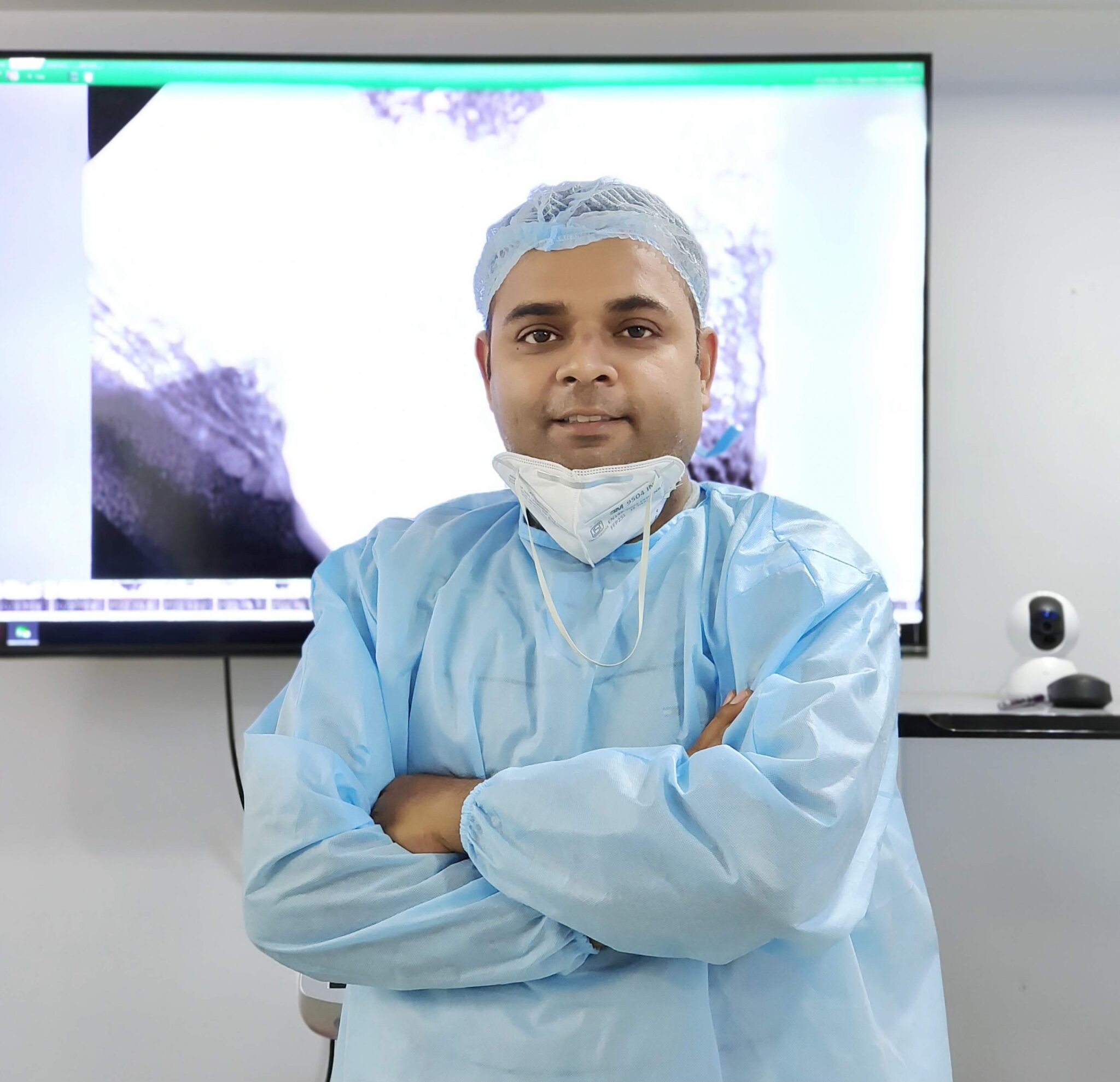
Dr Harpreet Singh completed BDS and MDS training at Manipal in Conservative Dentistry and Endodontics and reviews this page for general clinical accuracy. Specialist paediatric dental care, advanced behaviour guidance and sedation should be provided by appropriately trained clinicians in a suitable setting.
View Dr Harpreet Singh’s profile
Dr Harpreet Singh is identified as the clinician responsible for the page’s general clinical review.
Visiting Happi Smiles Dental Clinic in Indira Nagar
Clinic details
Happi Smiles Dental Clinic and Implant Center
S-95, Bhoothnath Market, Sector 5, Indira Nagar, Lucknow, Uttar Pradesh 226016
Phone: 07019725870
Hours: 10:00 AM–9:00 PM, Monday to Sunday
Hours can change on holidays. Call before travelling or if you need current accessibility or parking guidance.
Clinic map
Load the interactive map only when needed.
The clinic is in Bhoothnath Market, Sector 5, Indira Nagar, Lucknow.
Pediatric Dentistry FAQs
When should my child first see a dentist?
AAPD guidance recommends when the first tooth erupts and no later than 12 months of age.
Are primary teeth important if they will fall out?
Yes. They support eating, speech, comfort and space for developing permanent teeth.
How often should children have check-ups?
Recall is based on age, caries risk, growth, active disease, appliances and individual needs rather than one universal interval.
Are dental X-rays taken at every visit?
No. They are selected from history, examination findings and disease risk when the expected diagnostic benefit justifies them.
How can dental anxiety be managed?
Age-appropriate communication, tell-show-do, gradual familiarisation, praise, distraction and specialist referral may be considered.
Can parents stay with the child?
Parent involvement is discussed according to age, safety, the child’s needs and the planned guidance approach.
Does every cavity need a filling?
Not every early lesion is restored. Activity, depth, cleansability, tooth type and overall risk guide treatment.
When is a child’s dental problem urgent?
Facial swelling, fever, severe pain, pus, trauma, uncontrolled bleeding or a displaced tooth needs prompt care. Breathing or swallowing difficulty is an emergency.
Individual diagnosis and treatment planning may differ from these general answers.
Arrange an assessment for pediatric dentistry assessment and care in Lucknow
Contact the clinic to discuss symptoms, previous records and current appointment availability.
Contact the clinic
Call or message the clinic. Avoid sending confidential medical records through an unsecured message.
Related dental treatments in Lucknow
Dental check-up for children
Review preventive examination and growth monitoring.
Explore dental check-up for childrenChildren’s tooth fillings
Understand restorative options for primary and young permanent teeth.
Explore children’s tooth fillingsRoot canal for children
Review pulp therapy for painful or deeply decayed teeth.
Explore root canal for childrenClinical information sources
- AAPD: Periodicity of examination and preventive services
- AAPD: Behavior guidance for the pediatric dental patient
- AAPD: Reference Manual recommendations
Sources accessed 1 October 2026. This page provides general education and does not replace examination, diagnosis or personalised advice.