Decay and restoration assessment for children in Indira Nagar
Children’s Tooth Fillings in Lucknow
A filling repairs tooth structure lost to decay or fracture, but not every early caries lesion needs drilling. For children, the plan depends on whether it is a primary tooth or a permanent tooth, lesion depth and activity, symptoms, tooth life expectancy, moisture control and the child’s ability to receive care safely.
At Happi Smiles Dental Clinic and Implant Center in Indira Nagar, Lucknow, the team assesses caries risk and restorability before comparing prevention, monitoring, interim restoration, a definitive filling, crown, pulp therapy, extraction or paediatric referral.
Children’s filling assessments are available Monday to Sunday, 10:00 AM–9:00 PM. Call to confirm age-specific treatment availability.
Medically reviewed by Dr Harpreet Singh on 1 October 2026.
Children’s Tooth Fillings in Lucknow: the short answer
Children’s tooth fillings at Happi Smiles in Lucknow are selected after diagnosing the lesion and the tooth’s value in development. Restorative treatment is combined with fluoride, diet and cleaning changes because replacing lost structure does not remove future decay risk.
A clinical assessment is required before deciding whether this care is appropriate.
What are this treatment in Lucknow?
A restoration seals and replaces damaged tooth structure so the tooth can function and be cleaned. It may be placed in a primary tooth or a young permanent tooth. The cavity design and material vary with lesion size, tooth location, bite, remaining structure and moisture control.
Non-cavitated lesions may sometimes be managed without a filling through plaque control, fluoride and monitoring. A deeply damaged tooth may need pulp therapy, a preformed crown or extraction instead.
Restoration is one part of disease management, not the definition of it.
When might children’s tooth fillings be needed?
Findings that may support restoration
- A cavitated active caries lesion
- A cleansability problem that cannot be stabilised
- Loss of structure from fracture or enamel defect
- Food trapping or symptoms from a suitable lesion
- Need to protect remaining tooth structure
Reasons for another plan
- An early lesion suitable for non-operative care
- Pulp inflammation or infection requiring pulp therapy
- Extensive damage better restored with a crown
- A primary tooth close to natural exfoliation
- Limited cooperation requiring interim care or referral
The decision should account for the child’s overall caries activity, not just one cavity.
Treatment matches the lesion, tooth and child rather than using one material for every case.
How is decay assessed before children’s tooth fillings?
The dentist reviews pain, sensitivity, eating and sleep disturbance, diet, fluoride, brushing, health and previous decay. Examination assesses lesion location, surface breakdown, plaque, tooth restorability and gum condition. Appropriate radiographs may show depth or hidden proximal lesions.
Pulp status matters. Spontaneous or lingering pain, swelling, pus, abnormal mobility or radiographic changes can make a simple filling unsuitable.
A filling is planned only after the pulp and supporting tissues are assessed.
Which materials may be used for children’s tooth fillings?
Options can include resin composite, glass ionomer or resin-modified glass ionomer. Preformed crowns may be used for selected primary molars with extensive damage or after pulp treatment. Material choice reflects durability needs, moisture control, lesion size, aesthetics and treatment time.
An interim therapeutic restoration may help control caries when definitive treatment is not currently feasible, but it requires review and a continuing plan.
The appropriate material is the one that suits the clinical situation and can be placed safely.
What happens during children’s tooth fillings?
Prepare
The procedure is explained with age-appropriate behaviour guidance.
Comfort and isolation
Local anaesthesia and moisture control are used as indicated.
Restore
Diseased or unsupported tissue is managed and the material is placed.
Check
Bite, contacts, margins and home instructions are reviewed.
Selective caries removal may be chosen for deep lesions to reduce pulp exposure risk. The exact technique follows diagnosis and evidence.
The procedure protects the pulp while producing a sealed, cleansable restoration.
How are pain and anxiety managed during children’s tooth fillings?
The dentist may use tell-show-do, distraction, praise, breaks and an agreed stop signal. Local anaesthesia is selected and dosed for the child when needed. Parents should not promise an entirely sensation-free visit.
Severe anxiety, very young age, extensive needs or complex health conditions may require paediatric referral or another setting. Sedation and general anaesthesia are separate clinical pathways with specific consent and monitoring requirements.
Behaviour support and pain control are planned individually and within the clinic’s capabilities.
What are the risks and limitations of children’s tooth fillings?
A filling can wear, fracture, leak or develop recurrent decay. Post-treatment sensitivity or bite discomfort can occur. Deep lesions may later develop pulp symptoms despite careful treatment, and primary teeth continue changing as roots naturally resorb.
Restorations have finite service lives. High sugar frequency, plaque, dry mouth, enamel defects and missed reviews increase new disease risk.
A successful filling still requires prevention and monitoring.
How should parents care for children’s tooth fillings?
Prevent lip or cheek biting while numb and follow eating instructions for the material used. Continue supervised fluoride brushing and interdental cleaning. Mild short-term awareness may settle, but persistent pain, high bite, swelling, fever or a broken filling needs review.
Use the visit to update the family’s caries-control plan. Other teeth remain at risk even when the restored tooth feels comfortable.
Aftercare protects both the restoration and the child’s remaining teeth.
Children’s Tooth Fillings at Happi Smiles Dental Clinic in Lucknow
Happi Smiles should diagnose lesion activity and pulp status before restoring a child’s tooth and coordinate paediatric referral when cooperation, disease extent or medical needs require specialist care.
Tooth-specific planning
Primary and young permanent teeth are treated according to development.
Caries control
Restoration is paired with practical prevention and review.
The clinic combines examination, explanation and access to other dental disciplines when the findings require them.
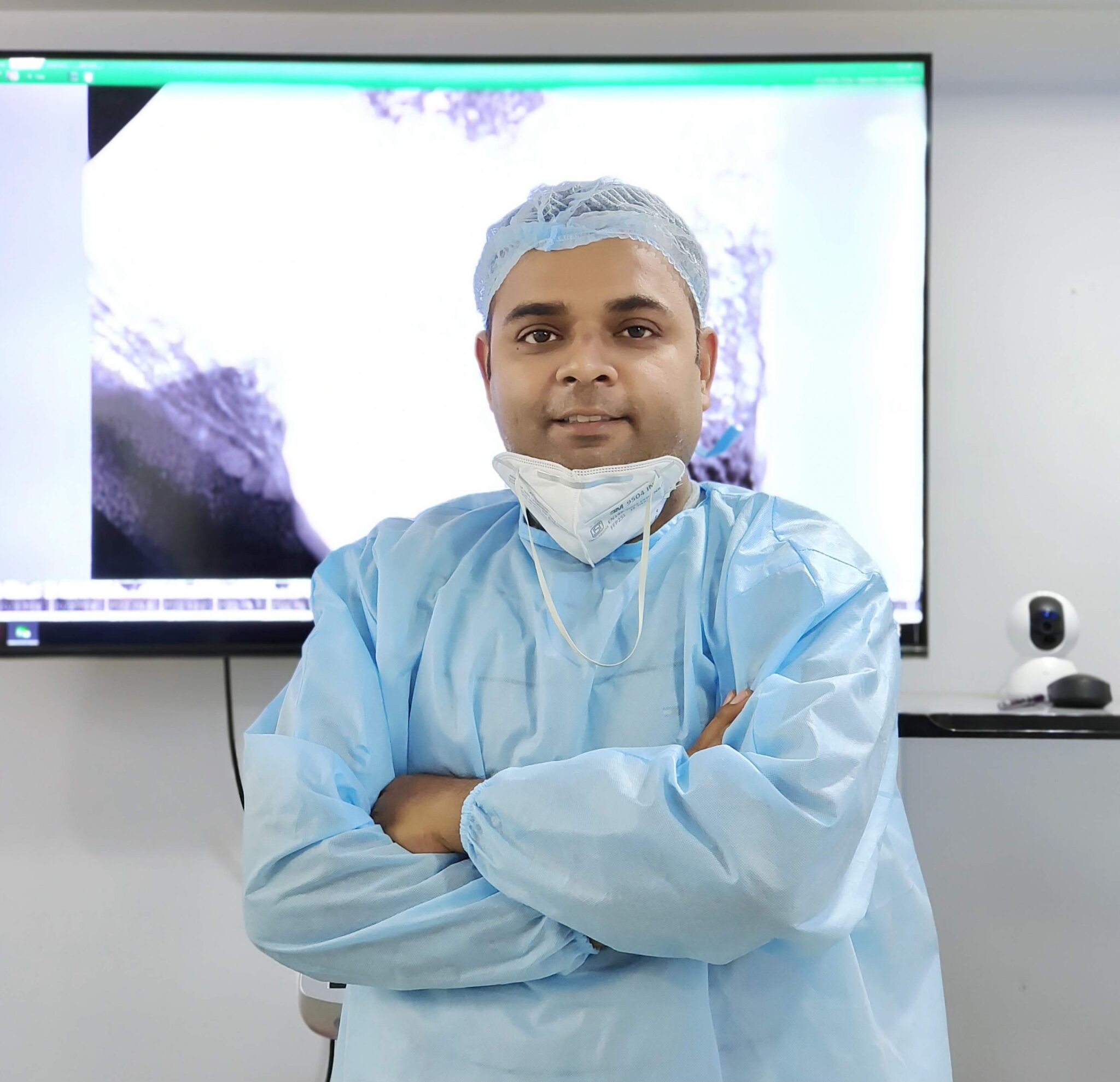
Meet Dr Harpreet Singh at Happi Smiles
Dr Harpreet Singh completed BDS and MDS training at Manipal in Conservative Dentistry and Endodontics and reviews this page for general clinical accuracy. Complex paediatric restorative care or advanced behaviour guidance may require an appropriately trained paediatric dentist.
View Dr Harpreet Singh’s profile
Dr Harpreet Singh is identified as the clinician responsible for the page’s general clinical review.
Visiting Happi Smiles Dental Clinic in Indira Nagar
Clinic details
Happi Smiles Dental Clinic and Implant Center
S-95, Bhoothnath Market, Sector 5, Indira Nagar, Lucknow, Uttar Pradesh 226016
Phone: 07019725870
Hours: 10:00 AM–9:00 PM, Monday to Sunday
Hours can change on holidays. Call before travelling or if you need current accessibility or parking guidance.
Clinic map
Load the interactive map only when needed.
The clinic is in Bhoothnath Market, Sector 5, Indira Nagar, Lucknow.
Children’s Tooth Fillings FAQs
Does every cavity in a primary tooth need a filling?
No. Lesion activity, depth, symptoms, cleansability, tooth life expectancy and overall risk determine treatment.
Which material is suitable for children’s fillings?
Composite, glass ionomer and other options have different indications based on tooth, lesion, moisture control and treatment goal.
Will my child need local anaesthesia?
It may be needed depending on lesion depth, tooth sensitivity and procedure. The dose and method are selected for the child.
What is an interim therapeutic restoration?
It is a provisional caries-control restoration used when definitive treatment is not currently feasible and requires follow-up.
Can a filling prevent future decay?
It repairs one site but does not remove caries risk. Fluoride, diet, cleaning and reviews remain necessary.
Why might a crown be recommended instead?
A selected primary molar with extensive damage or pulp treatment may need more complete coverage than a filling provides.
What if my child cannot cope with treatment?
The visit may be adapted, staged or deferred when safe, or referred to a paediatric dentist or suitable facility.
When is a decayed tooth urgent?
Swelling, fever, pus, severe or night pain, trauma or difficulty eating needs prompt care. Breathing or swallowing difficulty is an emergency.
Individual diagnosis and treatment planning may differ from these general answers.
Arrange an assessment for tooth fillings for children in Lucknow
Contact the clinic to discuss symptoms, previous records and current appointment availability.
Contact the clinic
Call or message the clinic. Avoid sending confidential medical records through an unsecured message.
Related dental treatments in Lucknow
Pediatric dentistry
Review comprehensive children’s dental care.
Explore pediatric dentistryRoot canal for children
Understand pulp treatment when decay is deep.
Explore root canal for childrenDental check-up for children
Assess disease risk and prevention needs.
Explore dental check-up for childrenClinical information sources
- AAPD: Pediatric restorative dentistry
- AAPD: Interim therapeutic restorations
- AAPD: Behavior guidance for the pediatric dental patient
Sources accessed 1 October 2026. This page provides general education and does not replace examination, diagnosis or personalised advice.