Third-molar assessment and surgical referral in Indira Nagar
Wisdom Tooth Removal in Lucknow
Wisdom tooth removal is considered when a third molar is causing or is likely to contribute to a diagnosed problem that cannot be managed appropriately by monitoring or another measure. An impacted tooth does not automatically require removal.
At Happi Smiles Dental Clinic and Implant Center in Indira Nagar, Lucknow, planning considers symptoms, eruption, decay, gum disease, damage to the adjacent tooth, cystic change, root development and proximity to nerves or the sinus. Surgical cases require an appropriately trained oral and maxillofacial surgeon.
Wisdom-tooth assessments are available Monday to Sunday, 10:00 AM–9:00 PM. Call to confirm the appropriate clinician and current availability.
Medically reviewed by Dr Harpreet Singh on 4 October 2026.
Wisdom Tooth Removal in Lucknow: the short answer
Wisdom tooth removal at Happi Smiles in Lucknow begins with deciding whether the third molar is diseased, damaging nearby structures or safe to monitor. Examination and appropriate imaging determine whether removal is justified, whether it is routine or surgical, and whether referral to an oral and maxillofacial surgeon is required.
A clinical assessment is required before deciding whether this care is appropriate.
When may wisdom tooth removal be recommended?
Removal may be considered for repeated inflammation around a partly erupted tooth, unrestorable decay, gum disease, damage to the second molar, a cyst or other pathology, selected resorption, trauma or another treatment plan that requires access.
Wisdom teeth that are healthy, functional, cleanable and free of disease may be monitored. Front-tooth crowding or jaw-joint pain alone is not a sufficient reason to assume a third molar needs removal.
Removal should address a defined clinical problem or defensible risk.
How are wisdom teeth assessed in Lucknow?
The dentist reviews pain, swelling, previous infections, medicines, health, smoking and past dental treatment. Examination checks eruption, gum condition, decay, the adjacent tooth, mouth opening and signs of infection.
Selected panoramic or other imaging can show root form, impaction, bone, pathology and relationship to the lower-jaw nerve or upper-jaw sinus. Three-dimensional imaging is reserved for a clinical question rather than used routinely.
The assessment defines both the need for removal and the appropriate surgical setting.
When can wisdom tooth removal be deferred?
A symptom-free tooth may be monitored when it is healthy, cleanable, appropriately positioned and shows no disease or damage. Monitoring requires periodic clinical review and imaging only when justified because absence of pain does not prove absence of disease.
Deferral may also be appropriate while acute infection is stabilised, medical risk is clarified or specialist advice is obtained. The reason and review plan should be documented.
Monitoring is an active plan with review, not simply ignoring the tooth.
What happens during wisdom tooth removal?
Plan
The tooth, imaging, consent, anaesthesia and referral needs are confirmed.
Access
A fully erupted tooth may be removed routinely; an impacted tooth may need a gum incision.
Remove
Selected bone removal or tooth sectioning may be required for safe delivery.
Close
The socket is cleaned, bleeding is checked and stitches may be placed.
The exact approach depends on eruption, roots, bone and nearby anatomy. Complex cases belong with a clinician trained and equipped for oral surgery.
Wisdom-tooth surgery should be tailored to anatomy and risk.
What are the risks of wisdom tooth removal?
Expected effects include soreness, swelling, bruising and limited mouth opening. Complications can include continued bleeding, dry socket, infection, damage to the adjacent tooth or restoration, delayed healing, sinus communication after selected upper removals and altered lip, chin or tongue sensation after lower removal.
Nerve changes are often temporary but can persist. Individual consent should reflect the imaging, tooth position, age, health and proposed technique.
Relevant surgical risks must be discussed before consent, not after a complication.
How should I recover after wisdom tooth removal?
Follow the surgeon’s instructions, protect the initial clot, use advised medicines safely and choose suitable food. Avoid vigorous rinsing, smoking, vaping, alcohol and strenuous activity for the period specified for the procedure and your health.
Clean the rest of the mouth carefully. From the advised time, gentle socket-area care and any recommended rinse can support hygiene without disturbing healing.
Careful early aftercare reduces avoidable bleeding and clot disruption.
When should wisdom tooth symptoms be reviewed in Lucknow?
Seek prompt review for bleeding that does not settle with instructed pressure, swelling or pain that becomes severe or continues to worsen, fever, pus, bad taste with illness, rash, medicine reaction or numbness that concerns you. Increasing pain several days after surgery can indicate dry socket.
Airway difficulty, spreading neck or eye swelling, collapse or uncontrolled heavy bleeding requires emergency medical help.
The direction of symptoms matters: worsening after initial improvement needs assessment.
How long does wisdom tooth removal recovery take?
Recovery varies with impaction, number of teeth, procedure, age, health and smoking. Swelling often develops during the first two days and then begins to improve. Bruising, stiffness and socket closure can take longer.
Return to work, study, driving and exercise depends on the anaesthesia used, procedure and individual recovery. Follow the treating clinician’s instructions rather than a universal timetable.
Surgical complexity and anaesthesia affect recovery more than the tooth name alone.
Wisdom Tooth Removal at Happi Smiles Dental Clinic in Lucknow
Happi Smiles should distinguish disease requiring treatment from a third molar suitable for monitoring, and refer impacted or high-risk cases to an appropriately trained oral and maxillofacial surgeon.
Evidence-led decision
Symptoms, disease, imaging and adjacent structures guide removal.
Surgical boundaries
Nerve, sinus, impaction and medical complexity influence referral.
The clinic combines examination, explanation and access to other dental disciplines when the findings require them.
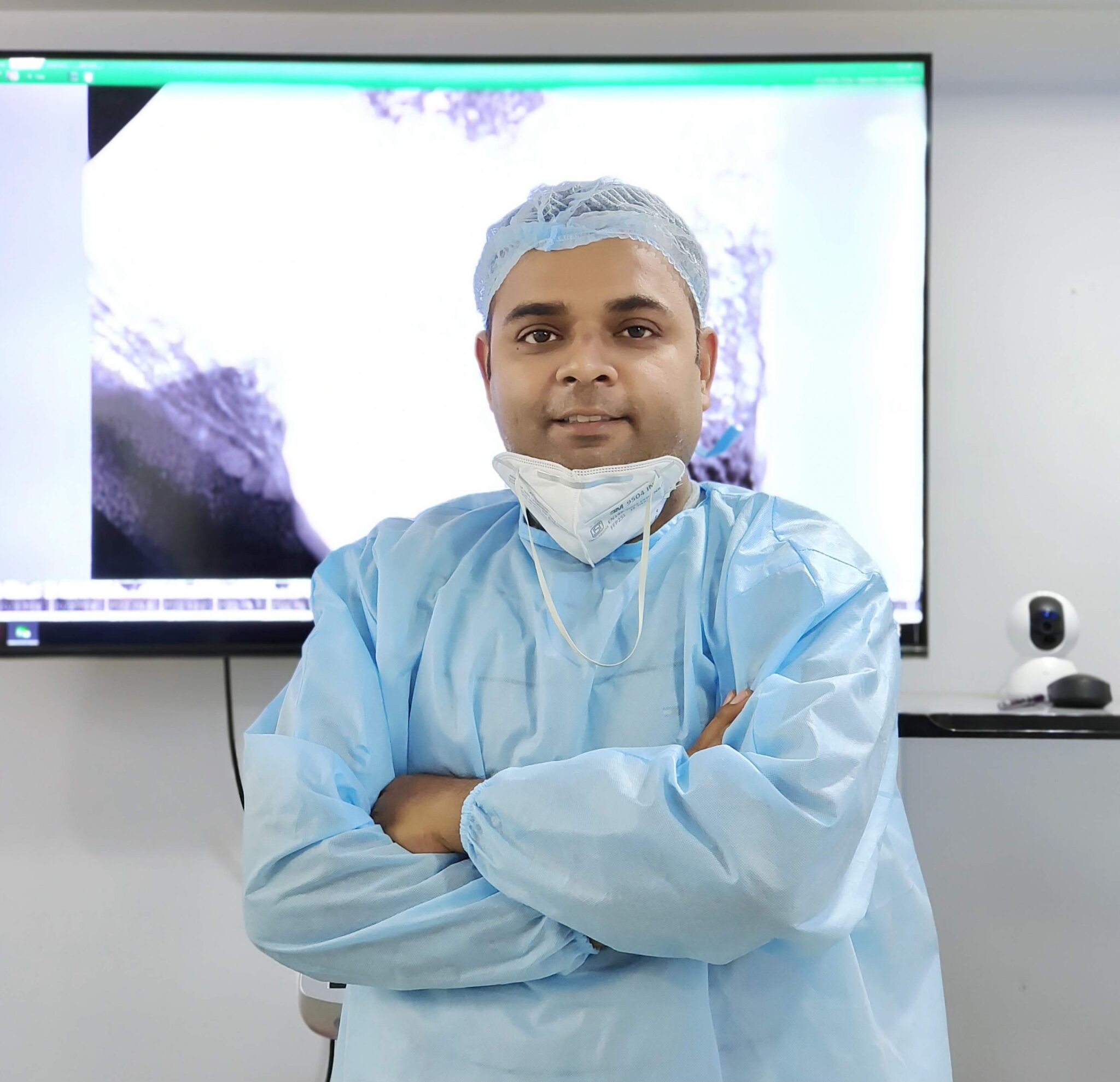
Meet Dr Harpreet Singh at Happi Smiles
Dr Harpreet Singh completed BDS and MDS training at Manipal in Conservative Dentistry and Endodontics and reviews this page for general clinical accuracy. Impacted wisdom teeth, significant nerve or sinus proximity and complex surgical risks should be evaluated by an appropriately trained oral and maxillofacial surgeon.
View Dr Harpreet Singh’s profile
Dr Harpreet Singh is identified as the clinician responsible for this page’s information review.
Visiting Happi Smiles Dental Clinic in Indira Nagar
Clinic details
Happi Smiles Dental Clinic and Implant Center
S-95, Bhoothnath Market, Sector 5, Indira Nagar, Lucknow, Uttar Pradesh 226016
Phone: 07019725870
Hours: 10:00 AM–9:00 PM, Monday to Sunday
Hours can change on holidays. Call before travelling or if you need current accessibility or parking guidance.
Clinic map
Load the interactive map only when needed.
The clinic is in Bhoothnath Market, Sector 5, Indira Nagar, Lucknow.
Wisdom Tooth Removal FAQs
Does every impacted wisdom tooth need removal?
No. A healthy tooth without disease or damage may be monitored with a defined review plan.
Can wisdom teeth cause front-tooth crowding?
Crowding alone is not a sufficient reason to assume wisdom tooth removal is indicated.
Why might three-dimensional imaging be recommended?
It may be selected when ordinary imaging leaves a specific question about roots, nerves or other anatomy that could change surgery.
Will wisdom tooth removal need stitches?
An impacted or surgically removed tooth may need stitches, while a straightforward erupted tooth may not.
What is dry socket after wisdom tooth surgery?
It is painful inflammation associated with early loss or breakdown of the protective socket clot and requires dental assessment.
Can wisdom tooth removal affect a nerve?
Lower wisdom-tooth surgery can affect nearby sensory nerves, causing altered feeling that is often temporary but can persist.
How long will swelling last?
Swelling commonly develops during the first two days and then improves, but timing varies with the procedure and patient.
When is wisdom-tooth swelling an emergency?
Breathing or swallowing difficulty, rapidly spreading neck or eye swelling, collapse or uncontrolled bleeding requires emergency medical help.
Individual diagnosis and treatment planning may differ from these general answers.
Arrange an assessment for wisdom tooth removal in Lucknow
Contact the clinic to discuss symptoms, previous records and current appointment availability.
Contact the clinic
Call or message the clinic. Avoid sending confidential medical records through an unsecured message.
Related dental treatments in Lucknow
Tooth extraction
Review general extraction decisions and socket aftercare.
Explore tooth extractionSurgical tooth extraction
Understand when gum access, bone removal or tooth sectioning may be needed.
Explore surgical tooth extractionDental emergency
Review urgent warning signs and immediate priorities.
Explore dental emergencyClinical information sources
- NHS: Wisdom tooth removal
- AAOMS: Wisdom tooth management
- Guy’s and St Thomas’: Dental surgery and recovery
Sources accessed 4 October 2026. This page provides general education and does not replace examination, diagnosis or personalised advice.