Complex tooth-removal assessment and referral in Indira Nagar
Surgical Tooth Extraction in Lucknow
Surgical tooth extraction is a method of removing a tooth or root that cannot be safely delivered through a straightforward extraction approach. It may involve gum access, controlled bone removal, tooth sectioning or stitches, depending on anatomy and the diagnosed problem.
At Happi Smiles Dental Clinic and Implant Center in Indira Nagar, Lucknow, assessment considers the reason for removal, root shape, fracture level, bone, infection, mouth opening, medical risk and nearby nerves or the sinus. Complex procedures require an appropriately trained oral and maxillofacial surgeon.
Surgical-extraction assessments are available Monday to Sunday, 10:00 AM–9:00 PM. Call to confirm the surgeon and suitable clinical setting.
Medically reviewed by Dr Harpreet Singh on 4 October 2026.
Surgical Tooth Extraction in Lucknow: the short answer
Surgical tooth extraction at Happi Smiles in Lucknow is considered when a tooth, root or impacted structure cannot be predictably removed with a routine approach. Examination and appropriate imaging define the surgical difficulty, relevant nerve or sinus risk, anaesthesia needs and whether an oral and maxillofacial surgeon should provide care.
A clinical assessment is required before deciding whether this care is appropriate.
When is surgical tooth extraction needed?
A surgical approach may be required for an impacted or partly erupted tooth, a root broken below the gum, a severely damaged crown, difficult root anatomy, dense surrounding bone, limited access or a retained root associated with disease.
The need can become apparent before treatment from examination and imaging or during attempted routine removal if the anatomy does not permit safe progress. Escalation or referral is preferable to excessive force.
Surgical access is chosen to control removal when a routine path is unsuitable.
How is surgical extraction assessed in Lucknow?
The clinician reviews health, medicines, allergies, bleeding risk, pregnancy, smoking, symptoms and previous procedures. Examination assesses infection, swelling, access, mouth opening, gum support and nearby teeth or restorations.
Imaging evaluates roots, bone and relevant structures. Selected cases may need three-dimensional imaging if it can answer a question about nerves, sinus anatomy, pathology or surgical access that changes the plan.
Assessment identifies difficulty, risk, anaesthesia and the correct treating clinician.
Who should perform surgical tooth extraction?
The treating clinician should have training, experience, equipment and emergency support appropriate to the planned procedure. Impacted teeth, close nerve or sinus relationships, significant medical complexity, extensive pathology or difficult access may warrant an oral and maxillofacial surgeon.
Referral is not a failure of care. It is a safety decision when the predicted procedure exceeds a clinician’s documented discipline or the facility’s capabilities.
Scope and setting should match the expected surgical risk.
What happens during surgical tooth extraction?
Verify
The tooth, imaging, consent, health information and anaesthesia plan are confirmed.
Access
A controlled gum opening may expose the tooth or root.
Deliver
Selected bone removal or tooth sectioning may allow safer removal.
Close
The site is irrigated, bleeding is checked and stitches may be placed.
The exact steps vary with the anatomy. Not every surgical removal needs every step, and the procedure may change if unexpected findings occur.
Controlled access reduces reliance on force and follows the actual anatomy.
What are the risks of surgical tooth extraction?
Expected effects can include pain, swelling, bruising, stiffness and blood-stained saliva. Complications can include continued bleeding, dry socket, infection, delayed healing, retained fragments, damage to nearby teeth or restorations, sinus communication and temporary or lasting altered sensation when sensory nerves are close.
Risk varies by site, anatomy, infection, health, medicines, smoking and procedure. Consent should focus on the risks material to that particular operation.
A surgical label does not describe the same risk for every tooth or patient.
What aftercare follows surgical tooth extraction?
Protect the blood clot and follow the surgeon’s instructions for gauze, food, cleaning, rinsing, medicines, smoking, alcohol and activity. Avoid disturbing the wound during early healing and do not exceed labelled or prescribed medicine directions.
Some stitches dissolve while others need removal. Attend the advised review when complexity, symptoms, medical risk or suture type requires it.
Procedure-specific instructions take priority over generic online advice.
When should surgical extraction symptoms be reviewed in Lucknow?
Contact the clinic for bleeding that does not settle with instructed pressure, severe or increasing pain, swelling that continues to worsen, fever, pus, bad taste with illness, rash, medicine reaction, wound breakdown or altered sensation that concerns you.
Difficulty breathing or swallowing, rapidly spreading swelling, collapse or uncontrolled heavy bleeding requires emergency medical care rather than waiting for a routine review.
Persistent or worsening symptoms should be assessed promptly.
How long does surgical tooth extraction recovery take?
Recovery depends on the tooth, surgical access, number of sites, anaesthesia, health and smoking. Swelling often develops during the first two days before improving. Bruising, stiffness and gum closure can take longer, while bone remodelling continues beyond symptom relief.
Driving and return to normal activity depend on the anaesthesia and the surgeon’s advice. Healing should be assessed by trend, not one fixed number of days.
More complex surgery generally needs more recovery planning and follow-up.
Surgical Tooth Extraction at Happi Smiles Dental Clinic in Lucknow
Happi Smiles should identify surgical difficulty before treatment where possible and coordinate complex tooth removal with an appropriately trained oral and maxillofacial surgeon and suitable facility.
Imaging-led planning
Roots, bone, nerves, sinus and access inform the approach.
Referral before force
Unexpected or predicted complexity triggers escalation when appropriate.
The clinic combines examination, explanation and access to other dental disciplines when the findings require them.
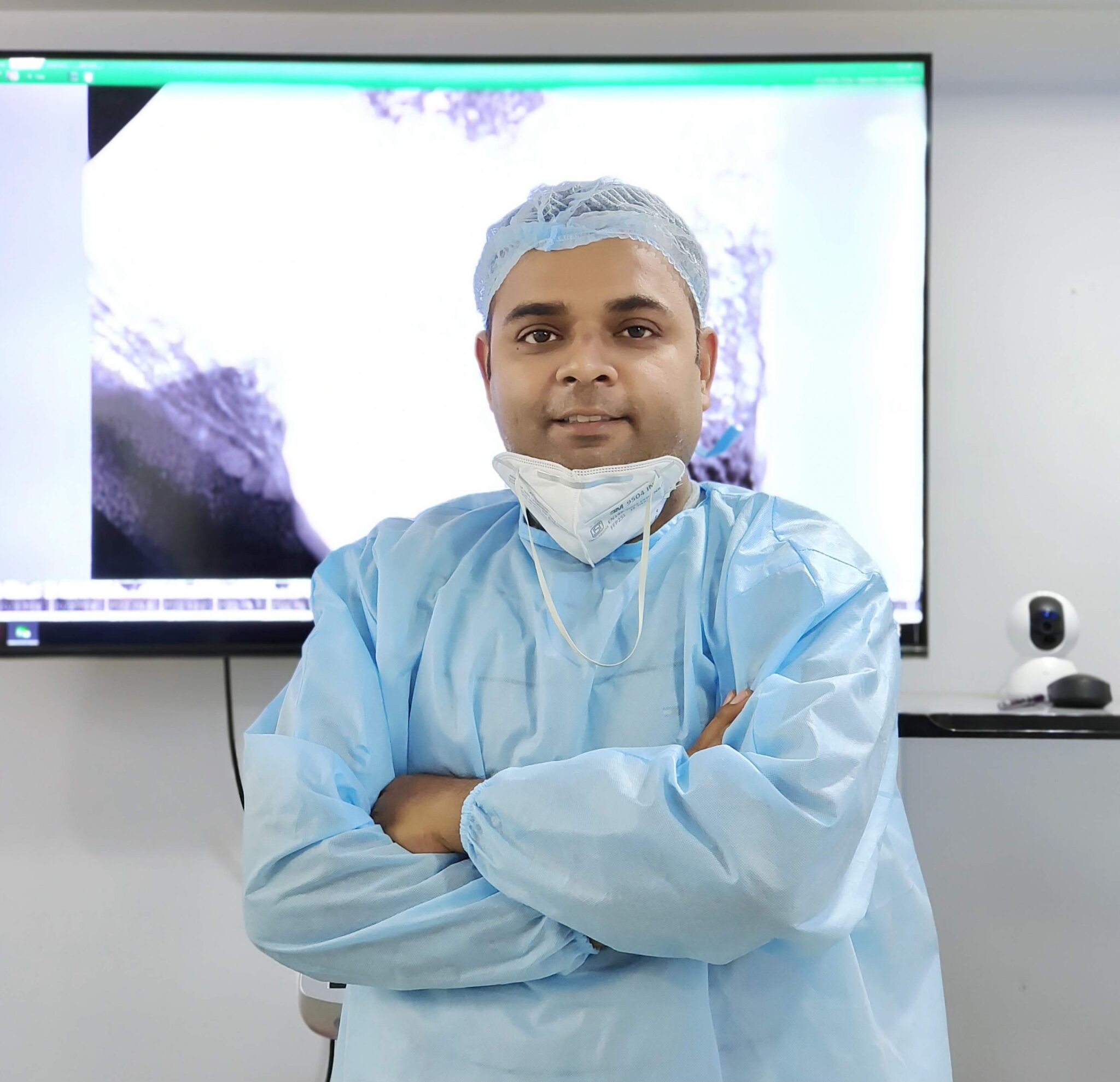
Meet Dr Harpreet Singh at Happi Smiles
Dr Harpreet Singh completed BDS and MDS training at Manipal in Conservative Dentistry and Endodontics and reviews this page for general clinical accuracy. Surgical tooth extraction involving impaction, difficult roots, nerve or sinus risk, substantial pathology or medical complexity should be assessed by an appropriately trained oral and maxillofacial surgeon.
View Dr Harpreet Singh’s profile
Dr Harpreet Singh is identified as the clinician responsible for this page’s information review.
Visiting Happi Smiles Dental Clinic in Indira Nagar
Clinic details
Happi Smiles Dental Clinic and Implant Center
S-95, Bhoothnath Market, Sector 5, Indira Nagar, Lucknow, Uttar Pradesh 226016
Phone: 07019725870
Hours: 10:00 AM–9:00 PM, Monday to Sunday
Hours can change on holidays. Call before travelling or if you need current accessibility or parking guidance.
Clinic map
Load the interactive map only when needed.
The clinic is in Bhoothnath Market, Sector 5, Indira Nagar, Lucknow.
Surgical Tooth Extraction FAQs
What makes an extraction surgical?
It requires controlled access beyond routine removal, such as a gum incision, selected bone removal, tooth sectioning or stitches.
Can a routine extraction become surgical?
Yes. Fracture or unexpected anatomy may require a changed approach, stopping or referral rather than unsafe force.
Is three-dimensional imaging always required?
No. It is selected only when it is expected to answer a specific anatomical question that could change treatment.
Will surgical extraction require stitches?
Stitches are commonly used after a gum incision, but the need and type depend on the procedure and wound.
Can I drive after surgical extraction?
That depends on the anaesthesia and medicines used; follow the surgeon’s explicit driving restrictions.
What is dry socket?
It is painful socket inflammation associated with early breakdown or loss of the protective clot and needs dental assessment.
How long will swelling last?
Swelling often develops during the first two days and then improves, but timing varies with surgery and individual health.
When does surgical-extraction bleeding need urgent help?
Bleeding that does not settle with instructed pressure needs urgent review; uncontrolled heavy bleeding, collapse or airway symptoms needs emergency care.
Individual diagnosis and treatment planning may differ from these general answers.
Arrange an assessment for surgical tooth extraction in Lucknow
Contact the clinic to discuss symptoms, previous records and current appointment availability.
Contact the clinic
Call or message the clinic. Avoid sending confidential medical records through an unsecured message.
Related dental treatments in Lucknow
Tooth extraction
Compare routine removal and general socket aftercare.
Explore tooth extractionWisdom tooth removal
Review third-molar indications, nerve considerations and monitoring.
Explore wisdom tooth removalDental emergency
Review airway, trauma, swelling and uncontrolled-bleeding priorities.
Explore dental emergencyClinical information sources
Sources accessed 4 October 2026. This page provides general education and does not replace examination, diagnosis or personalised advice.