Full-coverage tooth restoration planning in Indira Nagar
Dental Crowns in Lucknow
A dental crown covers a prepared tooth to restore form, function and structural protection when a direct filling is not sufficient. Crowns may also restore a dental implant, but tooth-supported and implant-supported crowns require different assessments and procedures.
At Happi Smiles Dental Clinic and Implant Center in Indira Nagar, Lucknow, Dr Harpreet Singh examines the tooth, gums, bite, pulp condition and remaining structure before recommending a crown or a more conservative alternative.
Crown assessments are available Monday to Sunday, 10:00 AM–9:00 PM. Call to confirm current availability.
Medically reviewed by Dr Harpreet Singh on 30 September 2026.
Dental Crowns in Lucknow: the short answer
Dental crowns at Happi Smiles Dental Clinic and Implant Center in Lucknow cover a suitably prepared tooth when structural loss, fracture or restorative needs exceed what a direct filling can predictably manage. The dentist first checks whether the tooth is restorable and whether a crown is the most conservative appropriate option.
A clinical assessment is required before deciding whether this care is appropriate.
What are dental crowns?
A crown is an indirect restoration that covers most or all of the visible part of a prepared tooth. It can restore shape, provide cuspal coverage and create a new outer surface for chewing and cleaning. Crowns may be made from ceramic, metal, metal-ceramic or other dental materials.
A crown does not strengthen the root or cure disease inside a tooth. Decay, pulp inflammation, cracks, gum disease and bite problems need separate assessment. A tooth may require a core build-up or root canal treatment before crown preparation.
Onlays cover selected cusps while preserving more tooth structure, and direct fillings are suitable for smaller defects. These alternatives should be considered where appropriate.
A crown is a full-coverage restoration chosen when the tooth needs more protection than a direct repair can provide.
Who may need dental crowns in Lucknow?
Possible indications
- A large restoration with weakened remaining cusps
- A broken or substantially worn tooth
- A root-treated tooth needing structural protection
- A tooth used to support a bridge
- Restoration of a dental implant after integration
When another plan may be preferable
- A small defect suitable for a filling or onlay
- Active decay or gum disease requiring control first
- A non-restorable crack or insufficient root support
- Unresolved pulp symptoms
- Inadequate space or bite conditions without further planning
A crown is appropriate only when the tooth or implant and surrounding tissues can support the planned restoration.
What problem is being restored in Lucknow?
The dentist identifies how much structure remains, whether cracks are present, where the margin can be placed, and how chewing forces will act. Cosmetic preference alone does not establish that removing tooth structure for a crown is justified.
Crown planning starts with the structural and functional problem, not with material selection alone.
How are dental crowns planned at Happi Smiles?
Dr Harpreet Singh reviews symptoms, previous treatment and expectations. The tooth is examined for decay, cracks, existing restorations, pulp health, periodontal support and ferrule, which is the band of sound tooth structure available to help resist fracture. The bite and space for restorative material are also checked.
Happi Smiles reports digital X-rays, intraoral cameras, scanners and CAD/CAM technology. Selected imaging and digital records can support diagnosis or design, but the final plan still depends on direct clinical examination and laboratory or manufacturing requirements.
Planning combines restorability, gum health, bite, material space and the final crown margin.
What happens during dental crown treatment in Lucknow?
Preparation
Decay or weak material is managed and the tooth is shaped for the planned restoration.
Records
An impression or digital scan records the preparation, bite and neighbouring teeth.
Provisional care
A temporary crown may protect the tooth while the final restoration is made.
Fit and bonding
Margins, contacts, appearance and bite are checked before final placement.
The sequence varies for same-day and laboratory-made restorations. Additional visits may be needed for gum treatment, root canal care, core build-up or review of symptoms.
Preparation, accurate records, provisional protection and a checked final fit form the crown workflow.
Will I need local anaesthesia in Lucknow?
Local anaesthesia is commonly used when a natural tooth is prepared or decay and old restorative material are removed. A root-treated tooth may lack pulp sensation but surrounding tissues can still be sensitive. Implant crown procedures may not require the same preparation anaesthesia.
Tell the dentist about allergies, medicines, pregnancy, heart conditions and previous reactions. Wait for numbness to clear before chewing, and follow instructions for a provisional crown.
Anaesthesia depends on the supporting tooth, planned preparation and patient comfort.
Aftercare following dental crown preparation in Lucknow
A provisional crown can feel slightly different from the final restoration. Avoid pulling floss upward through the contact if the dentist has advised sliding it out, and avoid sticky or very hard foods that could dislodge or fracture the provisional material.
Contact the clinic if the temporary crown comes off, the bite feels high, pain is increasing, swelling develops or the tooth becomes very sensitive. Keep the prepared tooth protected because movement, contamination or fracture can complicate final fit.
Protect the provisional crown and report loss, an uneven bite or worsening symptoms promptly.
What should I expect after a crown is fitted in Lucknow?
The dentist checks the bite and contacts, but the crown may feel unfamiliar initially. Clean the margin carefully with brushing and interdental aids. A crown cannot decay, but the supporting natural tooth can develop decay at its edge, and the surrounding gums can become inflamed.
No crown has an unlimited lifespan. Material, bite forces, grinding, margin position, oral hygiene, diet and the supporting tooth or implant all affect maintenance. Regular review helps identify chipping, loosening, decay or gum changes.
Long-term crown care depends on a maintainable margin, controlled bite forces and daily plaque removal.
What are the limits of dental crowns?
A crown cannot rescue every tooth. Deep cracks, inadequate root support, uncontrolled decay below the gum, severe periodontal loss or persistent endodontic disease can make another plan more appropriate. Preparation also removes tooth structure and can occasionally be followed by pulp symptoms.
The clinic may defer or decline crowning when disease control is incomplete, margins cannot be made maintainable, the bite has not been planned, the tooth is non-restorable or an implant has not been cleared for restoration. Alternatives can include a filling, onlay, periodontal care, endodontic treatment, extraction or observation.
A crown should be placed only when the foundation is healthy enough and the restoration can be maintained.
Dental Crowns at Happi Smiles Dental Clinic in Lucknow
Happi Smiles reports intraoral cameras, digital X-rays, scanners and CAD/CAM technology. These resources can support documentation and restorative records, while the clinical decision remains based on tooth preservation, gum health and bite.
Foundation before coverage
Decay, pulp status, cracks and periodontal support are assessed before preparation.
Final fit reviewed
Margins, contacts, appearance and bite are checked before placement.
The clinic combines examination, explanation and access to other dental disciplines when the findings require them.
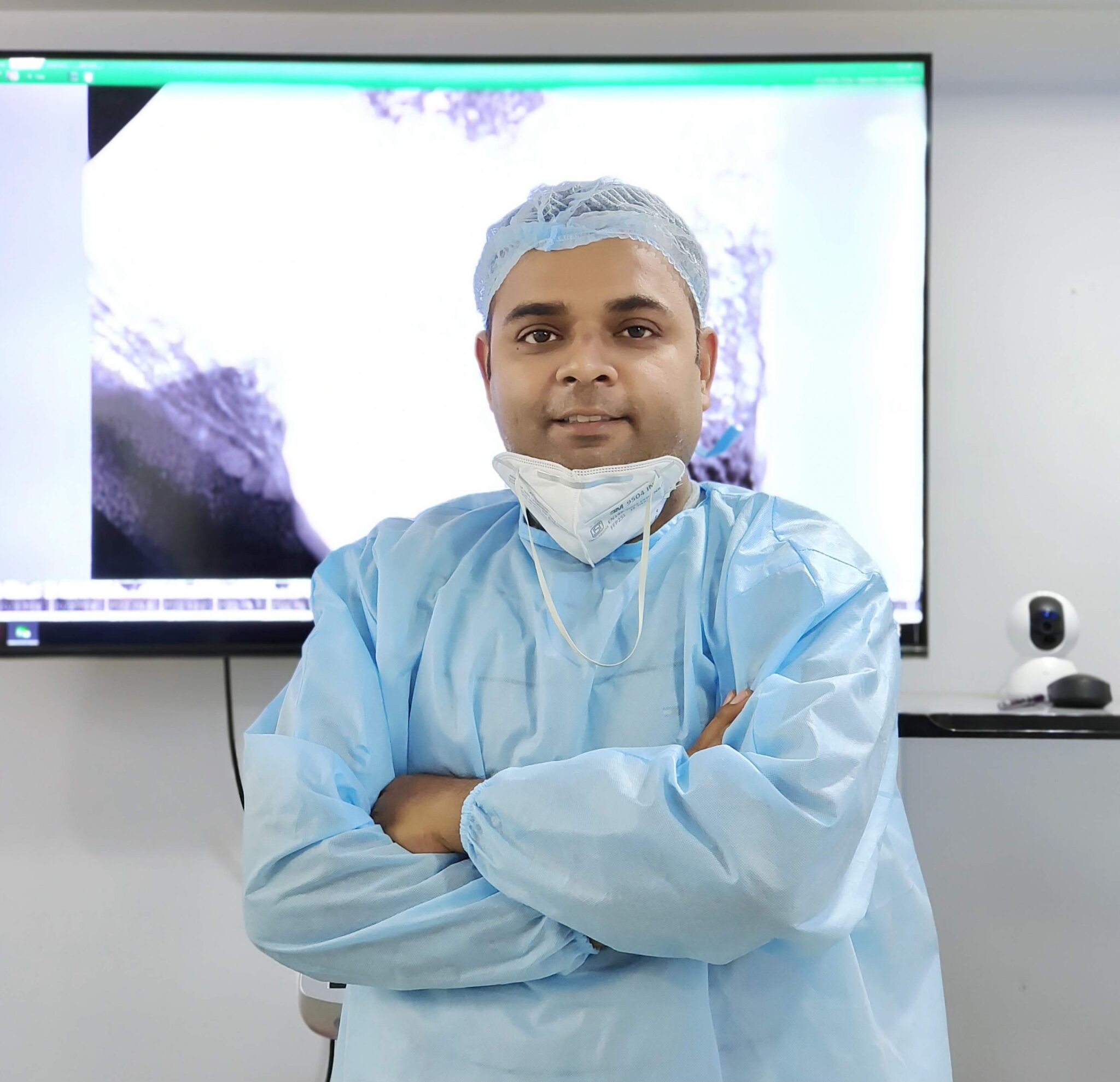
Meet Dr Harpreet Singh at Happi Smiles
Dr Harpreet Singh completed BDS and MDS training at Manipal in Conservative Dentistry and Endodontics. His postgraduate field includes restoring damaged and root-treated teeth. Crown planning considers pulp health, remaining tooth structure and the final seal.
View Dr Harpreet Singh’s profile
Dr Harpreet Singh is identified as the clinician responsible for the page’s general clinical review.
Visiting Happi Smiles Dental Clinic in Indira Nagar
Clinic details
Happi Smiles Dental Clinic and Implant Center
S-95, Bhoothnath Market, Sector 5, Indira Nagar, Lucknow, Uttar Pradesh 226016
Phone: 07019725870
Hours: 10:00 AM–9:00 PM, Monday to Sunday
Hours can change on holidays. Call before travelling or if you need current accessibility or parking guidance.
Clinic map
Load the interactive map only when needed.
The clinic is in Bhoothnath Market, Sector 5, Indira Nagar, Lucknow.
Dental Crowns FAQs
How is a crown different from a filling?
A filling repairs a limited defect directly. A crown is made to cover most or all of a prepared tooth when broader structural protection or restoration is required.
Does every root-treated tooth need a crown?
Not every tooth has the same structure or bite. Back teeth and teeth with substantial loss often need cuspal protection, but the dentist assesses each tooth individually.
Can a tooth decay under a crown?
Yes. New decay can develop at the crown margin on the supporting tooth. Daily cleaning, fluoride exposure and review remain important.
Why might I need a temporary crown?
A provisional crown protects the prepared tooth, maintains space and provides function while the final restoration is manufactured or the tooth is reviewed.
What if my temporary crown comes off?
Keep the area clean, avoid chewing on the tooth and contact the clinic. Do not use household glue or attempt an unsafe repair.
Can a crown fix every cracked tooth?
No. A crown may protect selected cracks, but a crack extending deeply into the root can make the tooth unsuitable for restoration. Diagnosis can remain uncertain.
How long does a dental crown last?
There is no fixed lifespan. The supporting tooth or implant, material, bite, grinding, hygiene, diet and maintenance all influence service time.
When is pain around a crowned tooth urgent?
Contact the clinic for severe or increasing pain, swelling, fever, trauma or a loose crown. Breathing or swallowing difficulty and spreading swelling require urgent medical attention.
Individual diagnosis and treatment planning may differ from these general answers.
Arrange an assessment for dental crowns in Lucknow
Contact the clinic to discuss symptoms, previous records and current appointment availability.
Contact the clinic
Call or message the clinic. Avoid sending confidential medical records through an unsecured message.
Related dental treatments in Lucknow
Dental fillings
A direct restoration may be more conservative for a smaller suitable defect.
Explore dental fillingsRoot canal treatment
Pulp or root canal disease may need treatment before the tooth receives definitive coverage.
Explore root canal treatmentDental bridges
Crowns can form retainers for selected tooth-supported bridges.
Explore dental bridgesClinical information sources
Sources accessed 30 September 2026. This page provides general education and does not replace examination, diagnosis or personalised advice.