Removable aligner assessment in Indira Nagar
Clear Aligners in Lucknow
Clear aligners are a sequence of removable, close-fitting plastic trays designed to guide planned tooth movements. They must be worn for the prescribed daily time, removed for eating and cleaning, and reviewed clinically as treatment progresses.
At Happi Smiles Dental Clinic and Implant Center in Indira Nagar, Lucknow, the dental team assesses teeth, gums, bite, roots, jaw relationships, hygiene and treatment goals before coordinating aligner planning and monitoring with an appropriately trained orthodontic clinician.
Clear-aligner assessments are available Monday to Sunday, 10:00 AM–9:00 PM. Call to confirm current availability.
Medically reviewed by Dr Harpreet Singh on 30 September 2026.
Clear Aligners in Lucknow: the short answer
Clear aligners at Happi Smiles Dental Clinic and Implant Center in Lucknow are removable orthodontic appliances for selected alignment and bite problems. Successful use depends on an accurate diagnosis, appropriate movement design, consistent wear, regular monitoring, oral health and a retention plan.
A clinical assessment is required before deciding whether this care is appropriate.
What are clear aligners?
Clear aligners are custom-made trays worn over the teeth in a planned sequence. Each tray is designed to produce part of the required movement. Tooth-coloured attachments may be bonded to selected teeth, and elastics, enamel reduction or other procedures may be recommended where clinically appropriate.
The digital setup is a planning representation, not a promise that teeth will exactly follow every projected stage. Biological response, wear, tray fit and the complexity of movement affect progress. Additional scans and refinement trays may be needed.
Aligners are removable appliances that still require diagnosis, active monitoring and adjustment.
Who may be considered for clear aligners in Lucknow?
Factors that may support aligner use
- Selected crowding, spacing or bite problems
- Ability to wear trays for the prescribed time
- Healthy teeth, gums and supporting tissues
- Willingness to manage trays and attachments
- Realistic expectations about visibility and refinements
Reasons another plan may be needed
- Movement requiring different fixed control
- Active decay or gum disease
- Poor wear reliability
- Complex jaw or growth discrepancy
- Unresolved pain, trauma or unstable periodontal support
Some complex problems can be treated with aligners by experienced clinicians, while others need braces, auxiliary appliances or surgery. Suitability cannot be decided from a smile photograph or commercial scan alone.
Candidacy depends on the complete bite and movement plan, not the visibility of the trays.
How is clear-aligner treatment planned at Happi Smiles?
An in-person examination assesses teeth, gums, bite, jaw function, facial proportions and oral hygiene. Medical and dental history, previous trauma and treatment priorities are reviewed. Photographs, a digital scan or impressions and selected radiographs may be needed to understand roots, bone, unerupted teeth and space.
The clinician defines treatment goals and decides whether attachments, elastics, interproximal enamel reduction, extractions or other procedures are appropriate. The plan should explain limitations, likely refinement, wear responsibilities, monitoring and retention. Remote-only tray supply does not provide equivalent clinical examination.
The scan records tooth surfaces; diagnosis determines whether and how they should move.
What happens during clear-aligner treatment in Lucknow?
Records and planning
Clinical findings and diagnostic records guide a staged movement plan.
Tray delivery
Fit is checked, attachments may be bonded and wear instructions are given.
Monitoring
Tracking, bite, gums, hygiene, attachments and cooperation are reviewed.
Finishing and retention
Refinement may be used before retainers are prescribed.
Trays are changed according to the clinician’s schedule rather than simply when convenient. A tray that does not seat properly can signal incomplete tracking. Do not skip ahead without advice, because later trays may fit worse and create unwanted forces.
Sequential trays work only when fit, wear and biological response are monitored.
How should clear aligners be worn and cleaned?
Wear the trays for the daily duration prescribed and remove them for eating and for drinks other than plain water unless instructed otherwise. Clean teeth before reinserting trays when practical. Store removed aligners in their case to reduce loss, contamination and accidental damage.
Clean trays with the method recommended by the clinician and avoid hot water, which can distort some materials. Do not smoke with trays in place. Frequent sugary or acidic drinks trapped beneath aligners can increase enamel risk. Continue fluoride toothpaste, interdental cleaning and routine dental checks.
Consistent wear and careful hygiene are both required; one cannot compensate for the other.
What are the risks and limitations of clear aligners?
Temporary tenderness, pressure, speech change and increased saliva can occur. Tray edges may irritate soft tissues. Attachments can debond, trays can crack or be lost, and teeth may not track as planned. Gum inflammation, decay, enamel changes, recession and root shortening remain possible orthodontic risks.
Aligners can alter the bite during treatment and may not achieve every planned movement. Refinements, auxiliaries, fixed braces or a revised goal can become necessary. Treatment can stall when wear is insufficient. Retainers are required because relapse can follow any active orthodontic treatment.
Removability improves flexibility but transfers important responsibilities to the patient.
Clear aligners compared with fixed braces
Aligners can be removed for meals and cleaning and are less conspicuous, although attachments may be visible. Their effectiveness depends on consistent wear and appropriate movement selection. Fixed braces remain attached and do not depend on tray wear, but they make cleaning more demanding and are more visible unless ceramic or lingual options are used.
Neither approach is automatically faster, safer or more suitable. Some movements are predictable with either system, while others favour a particular appliance or a combined plan. Lifestyle preference matters only after clinical feasibility and risks are established.
Compare complete treatment plans, monitoring and responsibilities rather than appliance appearance alone.
What if an aligner does not fit or is lost in Lucknow?
Contact the clinic if a tray is lost, cracked, badly distorted or no longer seats over a tooth or attachment. Do not automatically advance to the next tray. The clinician may advise using a previous tray, replacing the current tray, rescanning or reviewing the cause. Report broken attachments as directed.
After active treatment, fixed or removable retainers help limit unwanted movement. Follow the prescribed wear schedule and report poor fit promptly. Severe pain, swelling, trauma or marked mobility requires urgent dental assessment. Breathing or swallowing difficulty requires emergency medical attention.
Loss of tracking needs clinical guidance, and long-term retention follows active tray treatment.
Clear Aligners at Happi Smiles Dental Clinic in Lucknow
Happi Smiles reports digital scanning and imaging facilities with access to multiple dental disciplines. Clear-aligner care should keep diagnosis and in-person monitoring central rather than treating the digital simulation as the treatment itself.
Clinical plan before trays
The bite, roots, tissues and movement limits are assessed before ordering appliances.
Tracking reviews
Tray fit and oral health are reviewed so changes can be made when needed.
The clinic combines examination, explanation and access to other dental disciplines when the findings require them.
Meet Dr Harpreet Singh at Happi Smiles
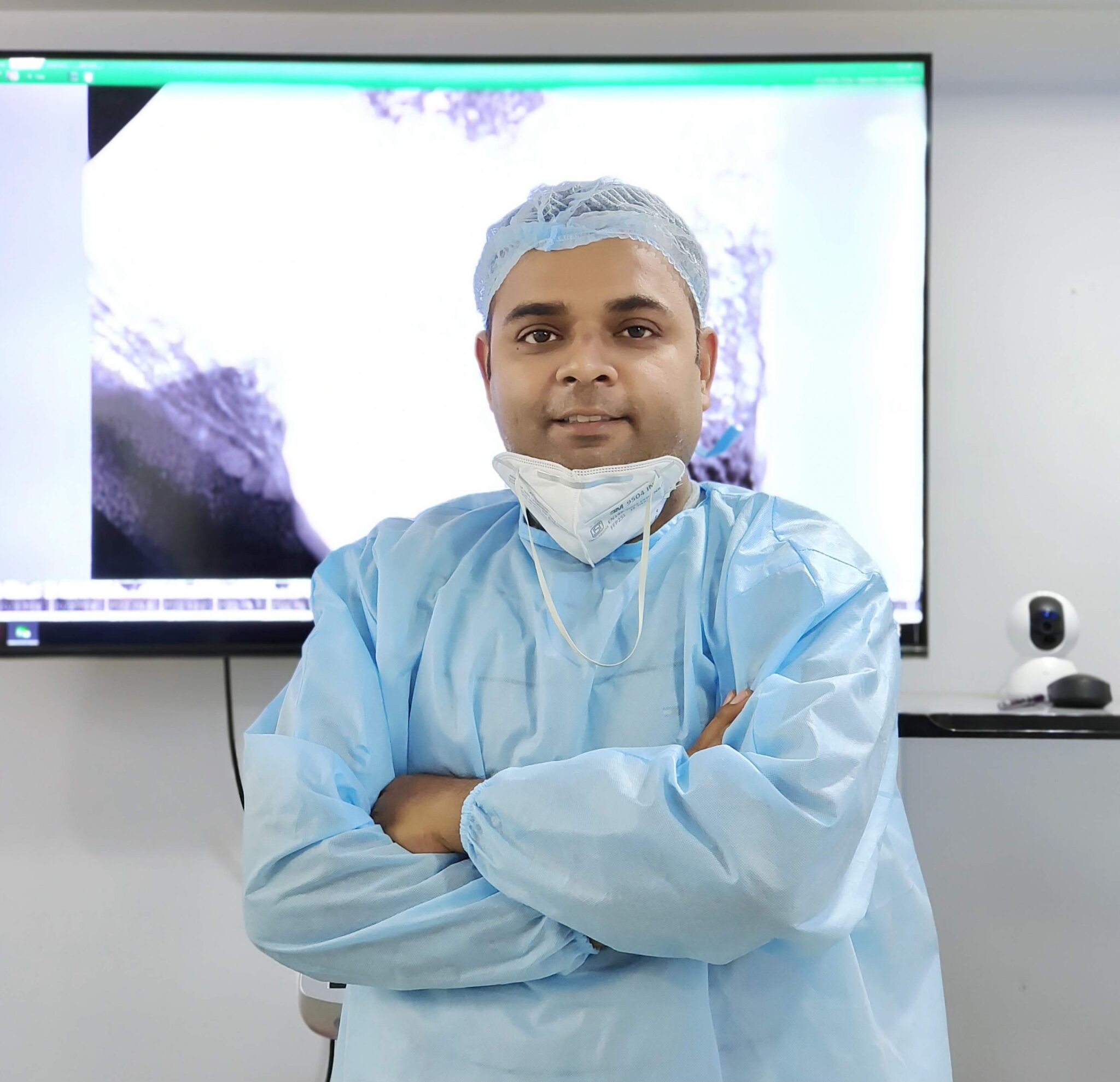
Dr Harpreet Singh completed BDS and MDS training at Manipal in Conservative Dentistry and Endodontics. He is this page’s medical reviewer. Clear-aligner diagnosis, prescription, movement planning and monitoring should be provided or supervised by an appropriately trained orthodontic clinician.
View Dr Harpreet Singh’s profile
Dr Harpreet Singh is identified as the clinician responsible for the page’s general clinical review.
Visiting Happi Smiles Dental Clinic in Indira Nagar
Clinic details
Happi Smiles Dental Clinic and Implant Center
S-95, Bhoothnath Market, Sector 5, Indira Nagar, Lucknow, Uttar Pradesh 226016
Phone: 07019725870
Hours: 10:00 AM–9:00 PM, Monday to Sunday
Hours can change on holidays. Call before travelling or if you need current accessibility or parking guidance.
Clinic map
Load the interactive map only when needed.
The clinic is in Bhoothnath Market, Sector 5, Indira Nagar, Lucknow.
Clear Aligners FAQs
Are clear aligners invisible?
They are less conspicuous than many fixed braces, but trays, edges and tooth-coloured attachments may still be visible.
How many hours must aligners be worn?
Follow the daily wear time prescribed for your case. Inadequate wear can lead to poor tracking and longer or altered treatment.
Can I eat while wearing aligners?
They are generally removed for eating. Follow the clinician’s instructions and clean teeth before reinsertion when practical.
What are aligner attachments?
They are small tooth-coloured shapes bonded to selected teeth to help the trays apply particular forces.
Are aligners suitable for every bite problem?
No. Suitability depends on the movement required, oral health, complexity, cooperation and clinician experience.
What happens if a tray does not fit?
Do not skip forward automatically. Contact the clinic because fit problems may require review, more wear, replacement, rescanning or plan modification.
Will I need retainers after aligners?
Usually. Teeth can move after treatment, and prescribed retainers help limit relapse.
When is an aligner problem urgent?
Call for severe pain, swelling, trauma, marked mobility or deep tissue injury. Breathing or swallowing difficulty requires urgent medical attention.
Individual diagnosis and treatment planning may differ from these general answers.
Arrange an assessment for clear aligner treatment in Lucknow
Contact the clinic to discuss symptoms, previous records and current appointment availability.
Contact the clinic
Call or message the clinic. Avoid sending confidential medical records through an unsecured message.
Related dental treatments in Lucknow
Braces treatment
Compare removable aligners with fixed orthodontic treatment.
Explore braces treatmentCeramic braces
Review a less-visible fixed appliance.
Explore ceramic bracesMetal braces
Review conventional fixed-brace control.
Explore metal bracesClinical information sources
- American Association of Orthodontists: Orthodontic treatments
- American Association of Orthodontists: Braces
- British Orthodontic Society: Treatment and brace types
Sources accessed 30 September 2026. This page provides general education and does not replace examination, diagnosis or personalised advice.