Oral-source halitosis assessment in Indira Nagar
Bad Breath in Lucknow
Bad breath may be temporary after food or sleep, but persistent halitosis often relates to tongue coating, plaque, gum disease, decay, infection, dry mouth, tobacco or dentures. Some cases have a non-dental source.
At Happi Smiles Dental Clinic and Implant Center in Indira Nagar, Lucknow, assessment reviews oral hygiene, gums, teeth, tongue, saliva, dentures, medicines and relevant health factors before recommending dental care or medical referral.
Bad-breath assessments are available Monday to Sunday, 10:00 AM–9:00 PM. Call to confirm availability.
Medically reviewed by Dr Harpreet Singh on 1 October 2026.
Bad Breath in Lucknow: the short answer
Bad breath at Happi Smiles in Lucknow is assessed for a persistent oral source rather than covered only with mouth freshener. The plan may address tongue coating, plaque, gum disease, decay, infection, dry mouth, tobacco or denture hygiene, with medical referral when oral findings do not explain symptoms.
A clinical assessment is required before deciding whether this care is appropriate.
What can cause bad breath?
Common oral causes include tongue coating, plaque, gingivitis, periodontitis, decay, food trapping, infection, dry mouth and unclean dentures. Tobacco, fasting and strongly scented food can contribute.
Tonsil, sinus, reflux and other medical problems are possible but less common than oral causes. Perceived odour without confirmation also deserves respectful assessment.
Persistent halitosis is investigated rather than attributed to one food or product.
When should bad breath in Lucknow be assessed?
Arrange a dental review when odour persists despite consistent cleaning for several weeks or occurs with bleeding or swollen gums, toothache, loose teeth, a bad taste or denture problems.
Swelling, fever, pus, severe pain or difficulty opening the mouth needs prompt care. Breathing or swallowing difficulty requires emergency help.
Associated dental signs can reveal disease that breath products will not treat.
How is bad breath assessed at Happi Smiles?
The dentist reviews timing, cleaning, diet, tobacco, medicines, dry mouth, dentures and health history. Examination checks tongue coating, plaque, gum pockets, decay, restorations, infection and saliva.
If oral findings do not explain persistent symptoms, medical or ENT assessment may be appropriate. Tests and referral are selected from the history rather than used routinely.
The assessment separates confirmed odour, oral disease and possible non-dental causes.
What daily care may reduce bad breath?
Brush twice daily with fluoride toothpaste, clean between teeth and gently clean the tongue. Clean dentures daily and follow removal instructions. Maintain hydration and seek advice for dry mouth.
Mints and cosmetic rinses may mask odour briefly but do not remove plaque or treat disease. Avoid tobacco and frequent sugary products.
Mechanical plaque and tongue cleaning are more important than fragrance.
How is persistent bad breath treated?
Treatment follows the cause and may include cleaning instruction, professional deposit removal, periodontal therapy, restoration of decay, infection management or denture care. Dry mouth care addresses causes and protective saliva strategies.
A therapeutic mouthrinse may support selected plans but does not replace brushing and interdental cleaning.
Improvement depends on controlling the source and maintaining the result.
How are dry mouth and bad breath connected?
Saliva clears debris and buffers the mouth. Medicines, dehydration, mouth breathing and health conditions can reduce flow, increasing odour, decay and soreness.
Do not stop medicine independently. The dentist can review risk and coordinate with a prescriber when appropriate.
Dry-mouth management protects comfort and dental health as well as breath.
Can mouthwash cure bad breath?
Cosmetic rinses can temporarily improve taste or smell. Therapeutic products may reduce plaque or gingivitis when used for a suitable indication, but they do not correct decay, deep gum pockets or infection.
Product choice must consider age, alcohol content, fluoride exposure and dry mouth. Follow label and clinician instructions.
Mouthrinse is an adjunct, not a diagnostic or cleaning substitute.
What if bad breath does not improve?
Return for reassessment of cleaning effectiveness, gum response, saliva and untreated sites. Bring an updated medicine list and note patterns such as fasting, reflux or nasal symptoms.
When the mouth is healthy but symptoms persist, medical referral can investigate another source.
Non-response should trigger reassessment rather than stronger masking products.
Bad Breath at Happi Smiles Dental Clinic in Lucknow
Happi Smiles prioritises oral-source assessment, plaque control and disease treatment, with medical referral when dental findings do not explain persistent halitosis.
Whole-mouth review
Tongue, gums, teeth, saliva and appliances are checked.
Measured escalation
Unexplained symptoms are referred without unsupported claims.
The conversation remains respectful because patients may be unaware of odour or may remain worried when another person cannot confirm it. Objective oral findings, daily routine and symptom pattern are discussed without blame.
If cleaning and diagnosed disease are addressed but the concern continues, the next step is reassessment and appropriate referral rather than repeated use of stronger flavours, antiseptics or unverified remedies.
The clinic combines examination, explanation and access to other dental disciplines when the findings require them.
Meet Dr Harpreet Singh at Happi Smiles
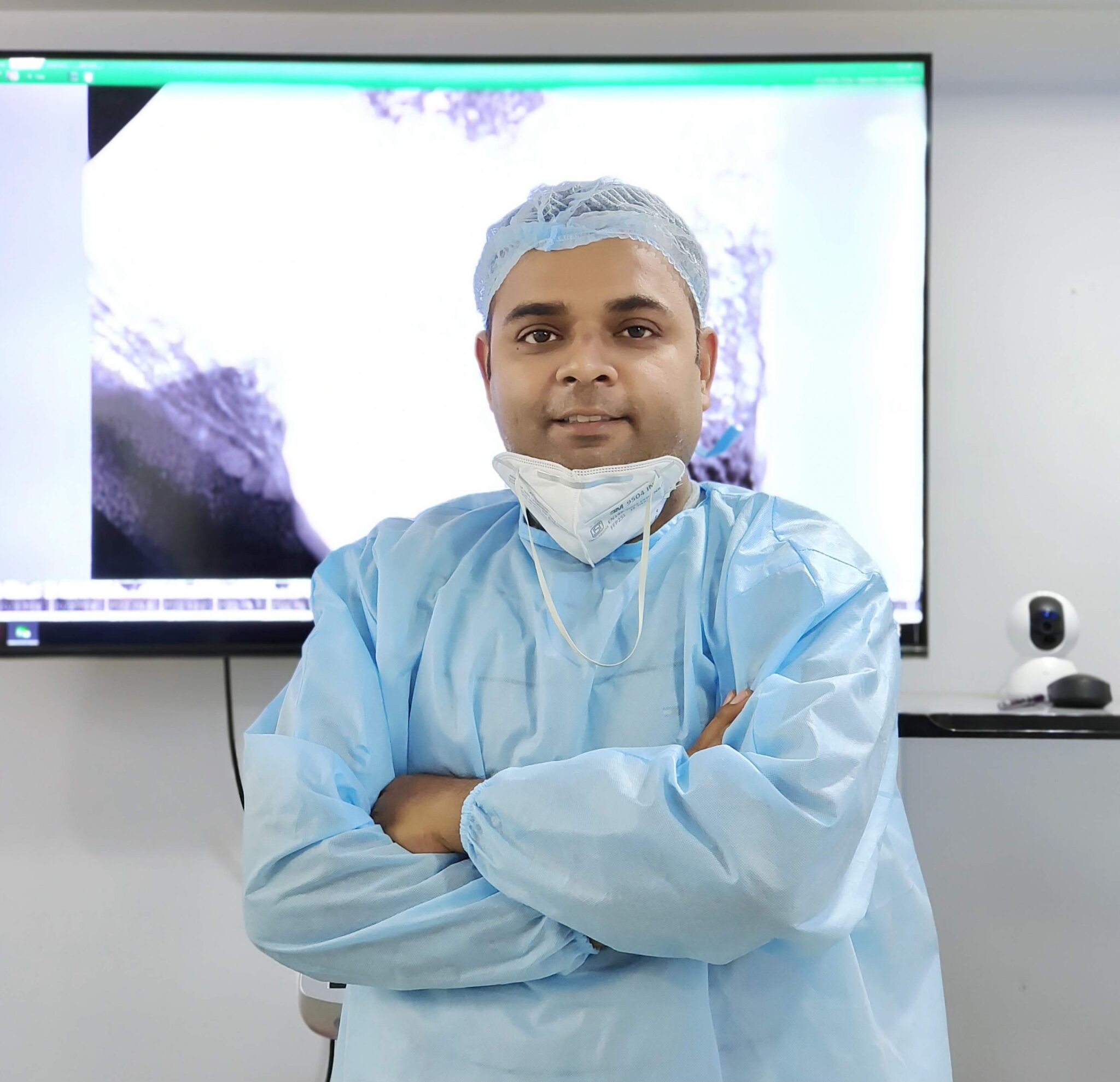
Dr Harpreet Singh completed BDS and MDS training at Manipal in Conservative Dentistry and Endodontics and reviews this page for general clinical accuracy. Persistent non-oral symptoms may require periodontal, medical or ENT assessment.
View Dr Harpreet Singh’s profile
Dr Harpreet Singh is identified as the clinician responsible for the page’s general clinical review.
Visiting Happi Smiles Dental Clinic in Indira Nagar
Clinic details
Happi Smiles Dental Clinic and Implant Center
S-95, Bhoothnath Market, Sector 5, Indira Nagar, Lucknow, Uttar Pradesh 226016
Phone: 07019725870
Hours: 10:00 AM–9:00 PM, Monday to Sunday
Hours can change on holidays. Call before travelling or if you need current accessibility or parking guidance.
Clinic map
Load the interactive map only when needed.
The clinic is in Bhoothnath Market, Sector 5, Indira Nagar, Lucknow.
Bad Breath FAQs
What is the commonest source of persistent bad breath?
Oral sources such as tongue coating, plaque and gum disease are common, but each patient needs assessment.
Can gum disease cause bad breath?
Yes. Inflamed periodontal tissues, pockets and deposits can contribute to persistent odour.
Does mouthwash cure halitosis?
Cosmetic rinses mask odour temporarily; therapeutic rinses may support selected care but do not replace diagnosis and cleaning.
Should I clean my tongue?
Gentle daily tongue cleaning can reduce coating and is part of common oral-source management.
Can dry mouth cause bad breath?
Yes. Reduced saliva allows debris and odour-producing compounds to persist.
Can dentures contribute?
Yes. Dentures and supporting tissues require daily cleaning and appropriate overnight care.
What if my dentist finds no oral cause?
Medical or ENT referral may be appropriate based on associated symptoms.
When is bad breath urgent?
Bad breath with swelling, fever, pus, severe pain or difficulty opening the mouth needs prompt assessment.
Individual diagnosis and treatment planning may differ from these general answers.
Arrange an assessment for bad breath in Lucknow
Contact the clinic to discuss symptoms, previous records and current appointment availability.
Contact the clinic
Call or message the clinic. Avoid sending confidential medical records through an unsecured message.
Related dental concerns and care in Lucknow
Bleeding gums
Review periodontal signs associated with halitosis.
Explore bleeding gumsTeeth cleaning and scaling
Understand professional deposit removal.
Explore teeth cleaning and scalingDental check-up
Assess decay, gums, restorations and oral tissues.
Explore dental check-upClinical information sources
Sources accessed 1 October 2026. This page provides general education and does not replace examination, diagnosis or personalised advice.