Gum inflammation and support assessment in Indira Nagar
Gum Disease Treatment in Lucknow
Gum disease treatment aims to control plaque-related inflammation and protect the tissues and bone supporting teeth. Care differs for gingivitis, which does not include attachment loss, and periodontitis, which involves loss of support and requires long-term monitoring.
At Happi Smiles Dental Clinic and Implant Center in Indira Nagar, Lucknow, the dental team checks bleeding, plaque, pockets, recession, tooth mobility and bone support before coordinating non-surgical, maintenance or specialist periodontal care.
Gum-disease assessments are available Monday to Sunday, 10:00 AM–9:00 PM. Call to confirm current availability.
Medically reviewed by Dr Harpreet Singh on 30 September 2026.
Gum Disease Treatment in Lucknow: the short answer
Gum disease treatment at Happi Smiles Dental Clinic and Implant Center in Lucknow begins by distinguishing reversible gum inflammation from loss of periodontal support. Treatment may include tailored oral-hygiene instruction, professional cleaning, subgingival instrumentation, risk-factor control, maintenance and specialist procedures according to diagnosis and response.
A clinical assessment is required before deciding whether this care is appropriate.
Gum Disease Treatment in Lucknow: what is gum disease?
Plaque accumulating at the gumline can trigger inflammation. Gingivitis commonly produces redness, swelling and bleeding but does not include periodontal attachment loss. Periodontitis is a chronic inflammatory disease in which supporting attachment and bone are lost, pockets can deepen and teeth may become mobile.
Bleeding is an important sign but can be reduced in tobacco users even when disease is present. Gum disease can progress with limited discomfort, so diagnosis relies on examination and measurements rather than pain alone.
Gum disease ranges from superficial inflammation to loss of tooth support and requires accurate classification.
When should gum symptoms be assessed in Lucknow?
Signs needing dental assessment
- Bleeding during brushing or interdental cleaning
- Red, swollen, sore or receding gums
- Persistent bad breath or unpleasant taste
- Spaces appearing or teeth shifting
- Loose teeth or pain around the gums
Factors affecting risk and response
- Plaque and calculus levels
- Tobacco use
- Diabetes and glycaemic control
- Medicines and relevant health conditions
- Genetic susceptibility and previous disease
Pregnancy, stress, dry mouth and difficulty cleaning can influence inflammation or care needs. A rapidly swelling area or systemic symptoms need prompt assessment for acute infection.
Symptoms and risk factors are considered together rather than relying on bleeding alone.
How is gum disease diagnosed at Happi Smiles?
The clinician reviews medical history, medicines, tobacco use, diabetes, previous periodontal care and home-cleaning routine. Examination records plaque, bleeding, recession, tooth mobility, bite and probing depths around teeth. Suppuration and furcation involvement are noted where present.
Selected radiographs help assess bone support and calculus that is not visible clinically. Findings are used to distinguish gingivitis from periodontitis and, where appropriate, describe periodontitis stage, progression risk and complexity. Referral to a periodontist may be advised.
A periodontal chart and appropriate imaging establish the extent and risk of disease.
What treatments may be used for gum disease in Lucknow?
Personalised brushing and interdental-cleaning instruction targets plaque at the sites where disease is active. Professional removal of deposits above the gum may be sufficient for gingivitis when combined with daily care. Periodontitis often requires instrumentation below the gumline to disrupt deposits and biofilm on root surfaces.
Local or systemic medicines are used only for selected indications and do not replace mechanical plaque control. Advanced or non-responsive sites may need specialist surgical access, regenerative procedures, extraction or another plan after reassessment.
Treatment intensity follows diagnosis, site response and long-term maintainability.
What happens during gum disease treatment?
Control
Home care, tobacco risk and active dental problems are addressed.
Instrumentation
Deposits are removed above and, when indicated, below the gums.
Reassessment
Bleeding, pockets, plaque, mobility and symptoms are reviewed.
Maintenance or escalation
Recall is tailored and persistent sites may need specialist care.
Treatment can be divided into visits by area and comfort needs. Local anaesthesia may be used for deeper instrumentation. Reassessment after healing is essential because initial treatment response determines the next step.
Periodontal treatment is a cycle of therapy, healing review and risk-based maintenance.
What daily care supports gum disease treatment?
Brush twice daily with fluoride toothpaste using the technique demonstrated for the gumline. Clean between teeth every day with the size and type of interdental aid recommended. Toothbrushes cannot reliably clean every interdental surface.
Do not rely on mouthwash to replace physical plaque removal. Antiseptic products may be prescribed for a limited period and can have side effects such as staining or altered taste. Tobacco cessation and diabetes management can materially affect periodontal response.
Professional treatment cannot remain effective without consistent daily plaque disruption.
What are the limits of gum disease treatment?
Lost periodontal support does not automatically return after inflammation is controlled. Treatment aims to stop or slow progression, reduce inflammation and maintain functional teeth. Deep or anatomically complex sites may remain difficult to clean and may require surgical or specialist management.
Response varies with disease severity, smoking, diabetes, plaque control, tooth anatomy and attendance. Some teeth have a poor outlook despite treatment. Extraction may be discussed when infection, support or maintainability cannot be managed safely.
Realistic goals focus on disease control and maintainable health rather than restoring every lost tissue.
Why is periodontal maintenance necessary in Lucknow?
Periodontitis can recur or progress after active treatment. Maintenance visits reassess plaque, bleeding, pockets, recession, mobility and risk factors and provide professional cleaning of sites the patient cannot access. The interval is individual rather than a universal schedule.
Report increasing bleeding, swelling, bad taste, pus, pain, a changing bite or looseness between visits. Sudden swelling, fever or rapidly worsening symptoms need prompt care. Long-term maintenance is part of treatment, not simply routine cleaning.
Continuing surveillance identifies renewed activity before further support is lost.
Gum Disease Treatment at Happi Smiles Dental Clinic in Lucknow
Happi Smiles reports multidisciplinary dental care. Gum-disease management should connect general prevention with periodontal charting, appropriate imaging and referral to a periodontist for complex or non-responsive disease.
Measured diagnosis
Bleeding, pockets, recession, mobility and bone support guide care.
Reassessment-led treatment
The next step follows tissue response rather than a preset package.
The clinic combines examination, explanation and access to other dental disciplines when the findings require them.
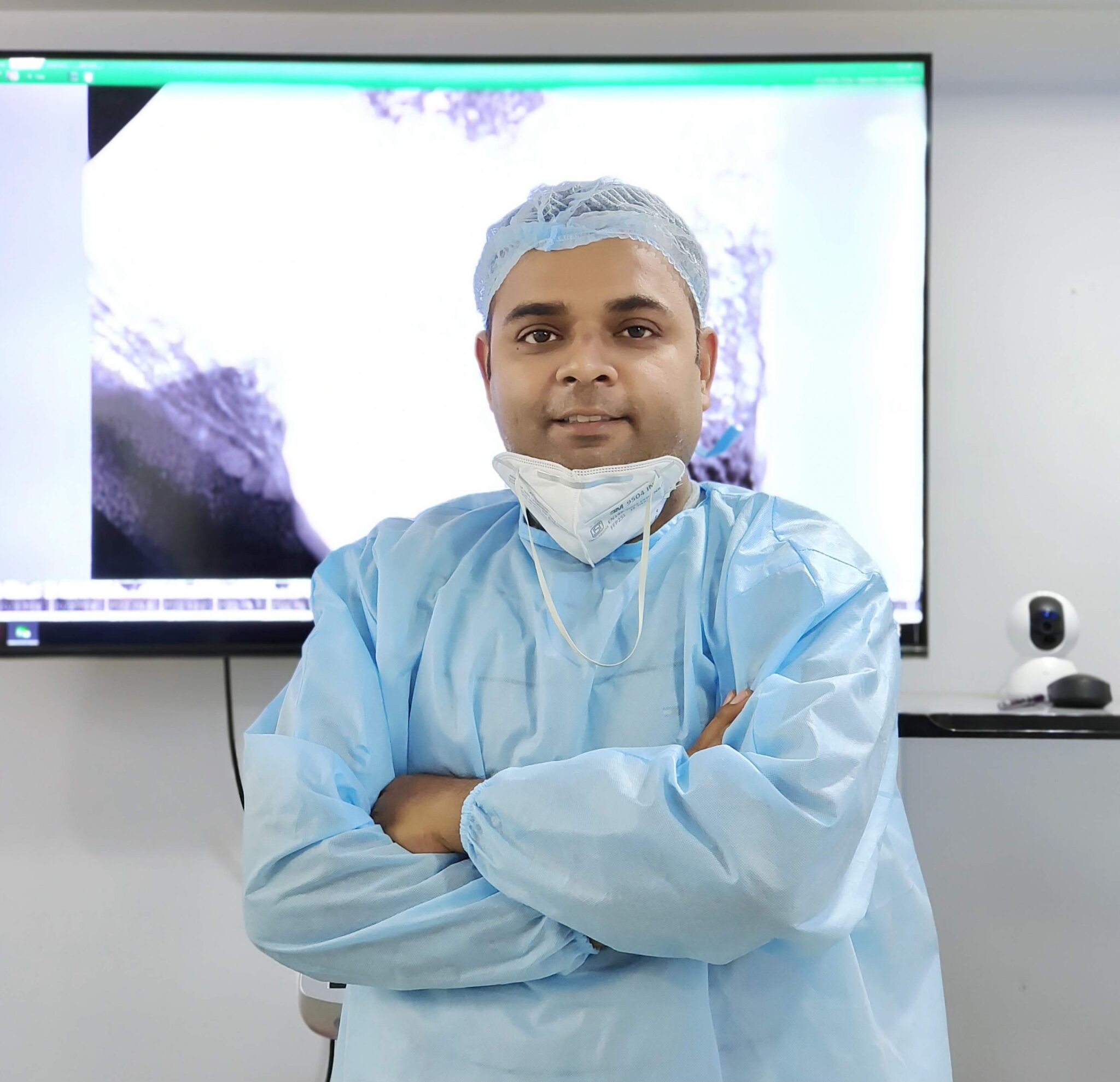
Meet Dr Harpreet Singh at Happi Smiles
Dr Harpreet Singh completed BDS and MDS training at Manipal in Conservative Dentistry and Endodontics and reviews this page for general clinical accuracy. Complex periodontal diagnosis, surgery and regenerative care should be provided or supervised by an appropriately trained periodontist.
View Dr Harpreet Singh’s profile
Dr Harpreet Singh is identified as the clinician responsible for the page’s general clinical review.
Visiting Happi Smiles Dental Clinic in Indira Nagar
Clinic details
Happi Smiles Dental Clinic and Implant Center
S-95, Bhoothnath Market, Sector 5, Indira Nagar, Lucknow, Uttar Pradesh 226016
Phone: 07019725870
Hours: 10:00 AM–9:00 PM, Monday to Sunday
Hours can change on holidays. Call before travelling or if you need current accessibility or parking guidance.
Clinic map
Load the interactive map only when needed.
The clinic is in Bhoothnath Market, Sector 5, Indira Nagar, Lucknow.
Gum Disease Treatment FAQs
Is bleeding during brushing normal?
Bleeding commonly signals inflammation and should be assessed, especially when it persists. Avoid stopping cleaning solely because an area bleeds.
What is the difference between gingivitis and periodontitis?
Gingivitis is gum inflammation without attachment loss. Periodontitis includes loss of the tissues and bone supporting teeth.
Can gum disease occur without pain?
Yes. Periodontitis can progress with little discomfort, so examination and periodontal measurements are important.
Can a mouthwash cure gum disease?
No. Mouthwash cannot replace effective brushing, interdental cleaning and indicated professional treatment.
Are antibiotics always needed?
No. They are reserved for selected clinical situations and do not replace mechanical treatment and plaque control.
Can lost bone grow back?
Some specialist regenerative procedures may help selected defects, but lost support does not automatically return after routine treatment.
How often is periodontal maintenance needed?
The interval depends on disease severity, treatment response, plaque control, smoking, diabetes and other risk factors.
When are gum symptoms urgent?
Seek prompt care for severe swelling, fever, pus, ulcers, a lump, sudden looseness or uncontrolled bleeding. Breathing or swallowing difficulty is an emergency.
Individual diagnosis and treatment planning may differ from these general answers.
Arrange an assessment for gum disease treatment in Lucknow
Contact the clinic to discuss symptoms, previous records and current appointment availability.
Contact the clinic
Call or message the clinic. Avoid sending confidential medical records through an unsecured message.
Related dental treatments in Lucknow
Periodontal treatment
Review the wider specialist periodontal pathway.
Explore periodontal treatmentDeep cleaning
Understand subgingival scaling and root-planing assessment.
Explore deep cleaningBleeding gums treatment
Review causes and evaluation of gingival bleeding.
Explore bleeding gums treatmentClinical information sources
- NHS: Gum disease
- American Academy of Periodontology: Prevention
- American Academy of Periodontology: Treatments and procedures
Sources accessed 30 September 2026. This page provides general education and does not replace examination, diagnosis or personalised advice.