Additive composite assessment in Indira Nagar
Dental Bonding in Lucknow
Dental bonding uses tooth-coloured composite resin attached to selected tooth surfaces to repair small chips, alter limited shape differences, close suitable small spaces or replace missing surface structure. The material is shaped, light-cured and polished directly in the mouth.
At Happi Smiles Dental Clinic and Implant Center in Indira Nagar, Lucknow, Dr Harpreet Singh assesses tooth structure, enamel, colour, bite and the cause of damage before comparing bonding with smoothing, whitening, orthodontics, veneers or another restoration.
Dental-bonding assessments are available Monday to Sunday, 10:00 AM–9:00 PM. Call to confirm current availability.
Medically reviewed by Dr Harpreet Singh on 30 September 2026.
Dental Bonding in Lucknow: the short answer
Dental bonding at Happi Smiles Dental Clinic and Implant Center in Lucknow is a direct restorative option for selected small defects and appearance concerns. It can preserve tooth structure, but suitability depends on enamel, defect size, bite forces, habits, colour expectations and whether another treatment addresses the cause more appropriately.
A clinical assessment is required before deciding whether this care is appropriate.
What is dental bonding?
Bonding usually uses resin composite, a material also used for tooth-coloured fillings. The tooth surface is conditioned, an adhesive is applied and composite is layered, shaped and hardened with a curing light. The dentist refines the contour and checks contacts and bite before polishing.
Some additions need little or no enamel removal, while damaged surfaces may require preparation. Bonding is technique-sensitive and must be isolated from moisture during key steps. It is repairable in many situations, but it is not indestructible and does not prevent future decay.
Bonding is a direct adhesive restoration whose success depends on diagnosis, isolation and bite design.
Who may be considered for dental bonding in Lucknow?
Possible uses
- Small chips or worn edges
- Selected gaps between otherwise healthy teeth
- Limited shape or proportion changes
- Repair of a suitable composite restoration
- Coverage of selected localised surface defects
Reasons another plan may be needed
- Large structural loss or deep fracture
- Active decay or unresolved tooth pain
- Heavy grinding or unstable bite
- Major crowding or bite discrepancy
- Weak bonding surface or poor moisture control
A chip caused by trauma, decay or grinding needs its cause assessed. A single dark tooth may need pulp evaluation. Bonding that only masks the appearance can fail early if the underlying problem continues.
The size and cause of the defect matter more than its appearance alone.
How is dental bonding planned at Happi Smiles?
The dentist reviews symptoms, previous trauma, sensitivity, habits and aesthetic priorities. Examination checks enamel, existing fillings, crack lines, gum health, tooth vitality where relevant, contact points and bite forces. Selected photographs, scans or radiographs may support diagnosis.
Shade is selected before the tooth dehydrates. The proposed addition is assessed from several viewing angles and in function. For broader changes, a mock-up may help test length, speech and bite. Whitening should generally be considered before final shade matching because composite does not bleach like natural tooth.
Planning connects colour and contour with the tooth’s structural and functional needs.
What happens during dental bonding?
Preparation
The tooth is cleaned, shade is selected and the field is isolated.
Adhesion
The surface is conditioned and an adhesive system is applied.
Layering and curing
Composite is shaped in increments and hardened with light.
Finishing
Contour, contacts, bite and surface polish are checked.
Local anaesthesia may not be required for a purely additive enamel procedure, but it can be indicated for decay, sensitivity or deeper preparation. The exact adhesive and layering protocol follows the tooth and material.
Careful finishing is part of function, cleansability and appearance.
What can dental bonding change and what can it not change?
Bonding can add shape and replace limited missing structure without laboratory fabrication. It can often be adjusted or repaired directly. It may be more conservative than a veneer or crown when enough healthy tooth remains and the change is modest.
Composite cannot reposition roots, correct a substantial jaw discrepancy or strengthen a tooth with extensive structural loss. It may not reproduce every optical property of enamel, especially across several teeth. Large additions in heavy biting areas are more vulnerable to wear or fracture.
Bonding works most predictably when the planned addition matches the material’s mechanical limits.
What risks and maintenance needs come with bonding in Lucknow?
Composite can chip, wear, roughen or stain, and the bond can fail. Margins can collect plaque or develop decay if hygiene is inadequate. Sensitivity or bite discomfort can occur after treatment and should be reviewed if persistent.
Repair may be possible, but repeated repair can change contour and surface quality. Gum recession or natural tooth colour change can make margins more visible. No material has one fixed lifespan; defect size, bite, habits, technique and care influence performance.
The advantage of direct repairability comes with continuing monitoring and possible maintenance.
Bonding compared with veneers, whitening and orthodontics in Lucknow
Whitening changes the shade of suitable natural teeth but not composite. Orthodontics moves teeth and may treat a gap or rotation without adding restorative width. Ceramic veneers can offer different surface properties but usually involve indirect fabrication and may require enamel preparation.
Smoothing a very small rough edge or choosing no treatment can be reasonable. A crown is reserved for greater structural restoration rather than a minor cosmetic change. The least invasive adequate option should be compared before treatment.
Different options change colour, position and structure in fundamentally different ways.
How should bonded teeth be cared for in Lucknow?
Brush with fluoride toothpaste, clean between teeth and attend risk-based reviews. Avoid biting nails, pens, ice or packaging. Consider a sports mouthguard and follow advice about a night guard if grinding is present. Composite can stain, so cleaning and polishing may be recommended over time.
Contact the clinic for a chip, sharp edge, looseness, persistent sensitivity, pain on biting or a changed contact. Keep a detached fragment if available and do not use household glue. Swelling or severe pain needs prompt assessment.
Daily care and early repair help protect both the composite and the supporting tooth.
Dental Bonding at Happi Smiles Dental Clinic in Lucknow
Happi Smiles reports digital scanning and multidisciplinary care. Dental-bonding assessment should use restorative diagnosis to preserve tooth structure and refer orthodontic or periodontal components when those address the concern more directly.
Additive planning
Small defects are assessed for conservative direct restoration.
Function with appearance
Contacts, bite and cleansability are checked alongside shade and contour.
The clinic combines examination, explanation and access to other dental disciplines when the findings require them.
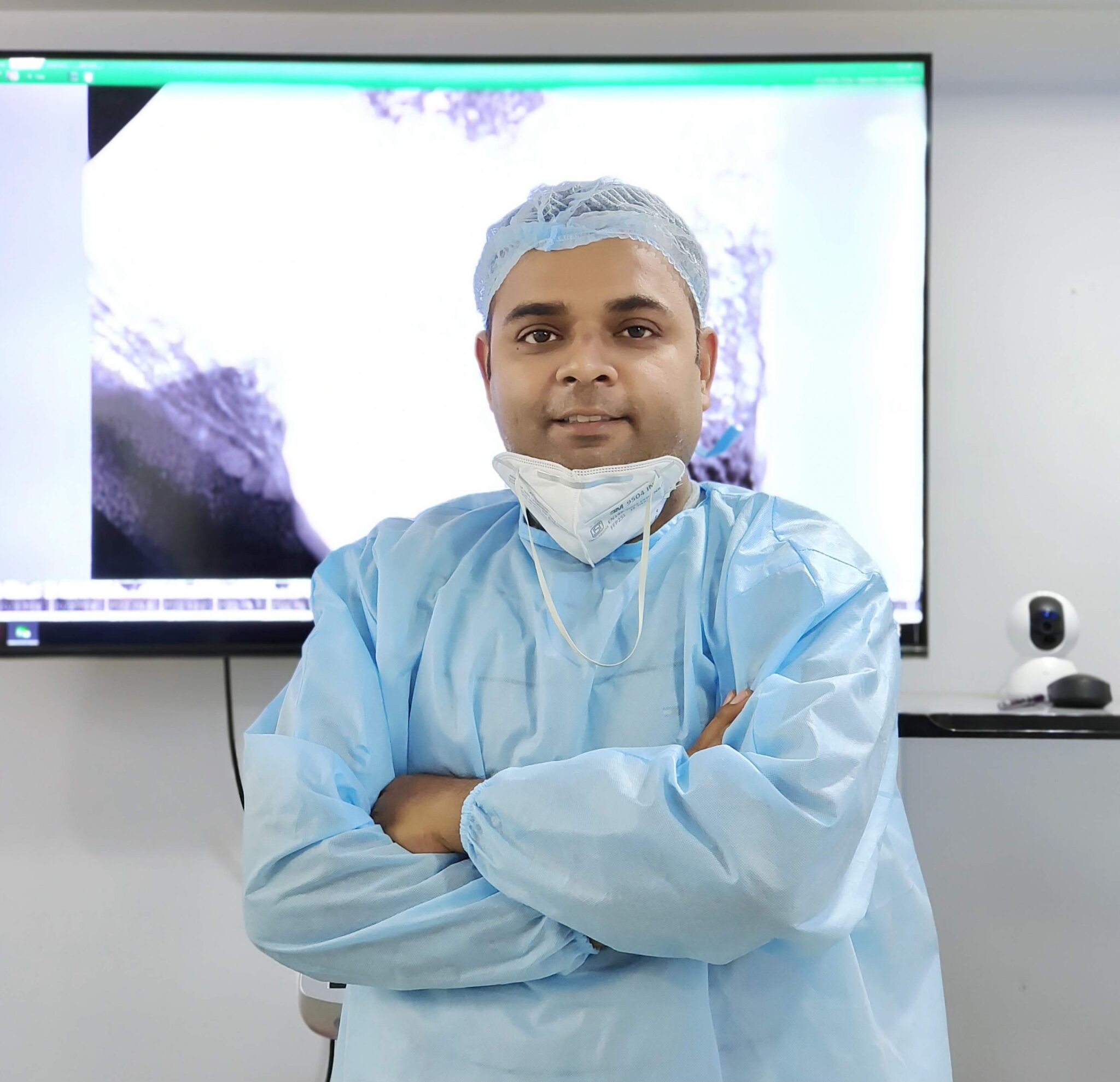
Meet Dr Harpreet Singh at Happi Smiles
Dr Harpreet Singh completed BDS and MDS training at Manipal in Conservative Dentistry and Endodontics. His restorative background includes assessment of tooth structure, adhesive dentistry and bite. Orthodontic or periodontal causes may require coordination with the relevant specialist.
View Dr Harpreet Singh’s profile
Dr Harpreet Singh is identified as the clinician responsible for the page’s general clinical review.
Visiting Happi Smiles Dental Clinic in Indira Nagar
Clinic details
Happi Smiles Dental Clinic and Implant Center
S-95, Bhoothnath Market, Sector 5, Indira Nagar, Lucknow, Uttar Pradesh 226016
Phone: 07019725870
Hours: 10:00 AM–9:00 PM, Monday to Sunday
Hours can change on holidays. Call before travelling or if you need current accessibility or parking guidance.
Clinic map
Load the interactive map only when needed.
The clinic is in Bhoothnath Market, Sector 5, Indira Nagar, Lucknow.
Dental Bonding FAQs
Is dental bonding the same as a veneer?
Bonding usually refers to directly placed composite. Ceramic veneers are fabricated indirectly and may require different preparation and bonding steps.
Does bonding require enamel removal?
Some cases are additive, while decay, damage or contour needs may require limited preparation. The planned reduction should be explained.
Can bonding close a gap?
Selected small spaces may be managed, but tooth proportions, roots, gums and bite must be assessed. Orthodontics may be more appropriate.
Can bonded teeth be whitened?
Composite does not bleach like natural tooth structure. Whitening is usually considered before final composite shade selection.
Does bonding stain?
Composite can discolour or lose polish with time. Habits, diet, surface finish and maintenance influence visible change.
Can bonding be repaired?
Often, but repairability depends on the location, remaining material, tooth structure and cause of failure.
How long does bonding last?
There is no fixed lifespan. Defect size, bite, grinding, material, technique and care affect wear and repair needs.
When is broken bonding urgent?
Call for a sharp or loose fragment, severe pain, swelling or trauma. Breathing or swallowing difficulty requires urgent medical attention.
Individual diagnosis and treatment planning may differ from these general answers.
Arrange an assessment for dental bonding in Lucknow
Contact the clinic to discuss symptoms, previous records and current appointment availability.
Contact the clinic
Call or message the clinic. Avoid sending confidential medical records through an unsecured message.
Related dental treatments in Lucknow
Dental veneers
Compare direct composite with indirect veneer treatment.
Explore dental veneersSmile designing
Place bonding within a conservative aesthetic plan.
Explore smile designingDental fillings
Review direct restoration of decay or structural defects.
Explore dental fillingsClinical information sources
- ADA MouthHealthy: Veneers and composite veneers
- ADA: Materials for direct restorations
- ADA MouthHealthy: Tooth-coloured fillings
Sources accessed 30 September 2026. This page provides general education and does not replace examination, diagnosis or personalised advice.