Comprehensive restorative assessment in Indira Nagar
Full Mouth Rehabilitation in Lucknow
Full mouth rehabilitation is coordinated dental care for complex problems affecting many or all teeth, the bite and supporting tissues. It is not one standard procedure and can combine preventive, periodontal, restorative, endodontic, orthodontic, surgical and prosthetic stages.
At Happi Smiles Dental Clinic and Implant Center in Indira Nagar, Lucknow, Dr Harpreet Singh begins with diagnosis and disease control before considering a staged plan for comfort, function, maintainability and appearance.
Comprehensive restorative assessments are available Monday to Sunday, 10:00 AM–9:00 PM. Call to confirm current availability.
Medically reviewed by Dr Harpreet Singh on 30 September 2026.
Full Mouth Rehabilitation in Lucknow: the short answer
Full mouth rehabilitation at Happi Smiles Dental Clinic and Implant Center in Lucknow is a staged, diagnosis-led plan for complex dental breakdown, wear, missing teeth or bite-related restorative needs. The exact combination of care is determined only after health, prognosis, function, risks and alternatives are assessed.
A clinical assessment is required before deciding whether this care is appropriate.
What is full mouth rehabilitation?
Full mouth rehabilitation, also called full mouth reconstruction, describes care that affects most or all teeth rather than a single named operation. It may involve stabilising disease, preserving suitable teeth, replacing missing teeth and rebuilding selected surfaces or restorations.
Possible components include fillings, onlays, crowns, bridges, dentures, implants, root canal treatment, gum care or orthodontics. Not every component is needed for every patient. Cosmetic preferences can be considered, but they do not replace biological and functional diagnosis.
Full mouth rehabilitation is an individual sequence of treatments, not a package applied to every mouth.
Who may need full mouth rehabilitation in Lucknow?
Reasons for comprehensive assessment
- Many heavily restored, broken or worn teeth
- Multiple missing teeth with reduced function
- Combined tooth, gum and bite problems
- Repeated restoration failures requiring coordinated review
- Complex rehabilitation after trauma or disease
Factors that may delay definitive work
- Active decay or uncontrolled gum disease
- Unresolved pain or infection
- Unstable medical risk or inability to maintain hygiene
- Unclear diagnosis for tooth wear or symptoms
- Expectations that available treatment cannot safely meet
Complex restorative work should begin only after urgent disease and modifiable risks are addressed.
What problems can a full mouth assessment investigate in Lucknow?
The dentist considers why the mouth has broken down. Causes can include decay, gum disease, missing teeth, acid erosion, grinding, trauma, developmental conditions, dry mouth or restoration failure. Several causes may operate together.
Symptoms in the jaw muscles or joints are assessed separately from tooth damage because changing the bite does not reliably treat every facial pain problem. The plan should distinguish active disease, past damage, functional adaptation and appearance concerns.
Identifying causes helps prevent a complex restoration from repeating the same pattern of failure.
How is full mouth rehabilitation planned at Happi Smiles?
Dr Harpreet Singh reviews medical history, medicines, symptoms, diet, previous care and priorities. Each tooth is assessed for decay, pulp health, cracks, restorability and periodontal support. Missing-tooth spaces, jaw movements, tooth wear, bite contacts and cleaning access are recorded.
Photographs, impressions or scans and selected radiographs may support diagnosis. Happi Smiles reports digital X-rays, intraoral cameras, scanning and CAD/CAM technology. More complex plans may require input from periodontal, orthodontic, oral surgical, implant or prosthodontic clinicians.
The plan is built from tooth-level prognosis and whole-mouth function, then sequenced across disciplines.
What happens during full mouth rehabilitation?
Stabilisation
Pain, infection, active decay and gum inflammation are addressed.
Planning records
Scans, bite records and diagnostic designs may test the proposal.
Staged treatment
Teeth are preserved, restored or replaced in a planned order.
Review and maintenance
Function, hygiene and restorations are monitored after completion.
Provisional restorations can be used to assess function, speech, appearance or cleaning before definitive work. The sequence may change if a tooth does not respond as expected. Written phasing helps patients understand dependencies and alternatives.
Staging allows disease control and reassessment before irreversible definitive steps.
How are bite and tooth wear considered in Lucknow?
The existing bite, available restorative space, jaw movement and wear pattern are recorded. When tooth height or contacts may change, diagnostic designs and provisional stages can help evaluate the proposed form before final restorations.
Grinding can affect materials and maintenance but is not the only cause of wear. Acid exposure, habits and missing teeth may contribute. A protective appliance may be discussed in selected cases, but it does not eliminate all risks.
Bite planning is based on recorded function and the causes of damage, not a universal ideal position.
Why are gums, roots and remaining tooth structure important in Lucknow?
Crowns and bridges depend on healthy, maintainable foundations. Active periodontal disease, inadequate tooth structure, cracks or unresolved root infection can compromise a larger plan. Some teeth may need root canal care, gum treatment, crown lengthening or extraction before definitive restoration.
Keeping a tooth is valuable when its expected function and maintenance justify treatment. Removal is not automatically preferable, and preservation is not always possible. Prognosis and alternatives should be discussed tooth by tooth.
The full-mouth result cannot be more predictable than the foundations supporting it.
What happens after full mouth rehabilitation?
Completed restorations require daily cleaning, risk control and professional review. Maintenance may include periodontal care, fluoride advice, review of implants, bite checks or a protective appliance where indicated.
Restorations and supporting tissues can change. Chipping, wear, loosening, decay, gum inflammation or tooth symptoms may require repair or replacement. The maintenance plan should match the materials, disease history and patient’s ability to clean.
Completion begins a long-term maintenance phase rather than ending dental care.
What are the limits of full mouth rehabilitation?
Complex treatment cannot guarantee symptom relief, ideal appearance or indefinite restoration survival. It can involve irreversible tooth preparation, multiple visits and coordination across disciplines. Biological response and maintenance can change the result.
The clinic may stage, simplify, refer or decline parts of a plan when disease remains uncontrolled, foundations are unsuitable, medical risk requires another setting or expectations are not achievable. A less extensive plan focused on health and function may be more appropriate.
The safest plan is the least extensive care that can meet agreed health and functional goals.
Full Mouth Rehabilitation at Happi Smiles Dental Clinic in Lucknow
Happi Smiles reports access to multiple dental disciplines and digital diagnostic and restorative systems. Complex care is coordinated around diagnosis, tooth prognosis, disease control and a maintainable sequence.
Staged decision-making
Response to stabilisation and provisional care can inform later steps.
Preservation and replacement
Each tooth is assessed before it is retained, restored or replaced.
The clinic combines examination, explanation and access to other dental disciplines when the findings require them.
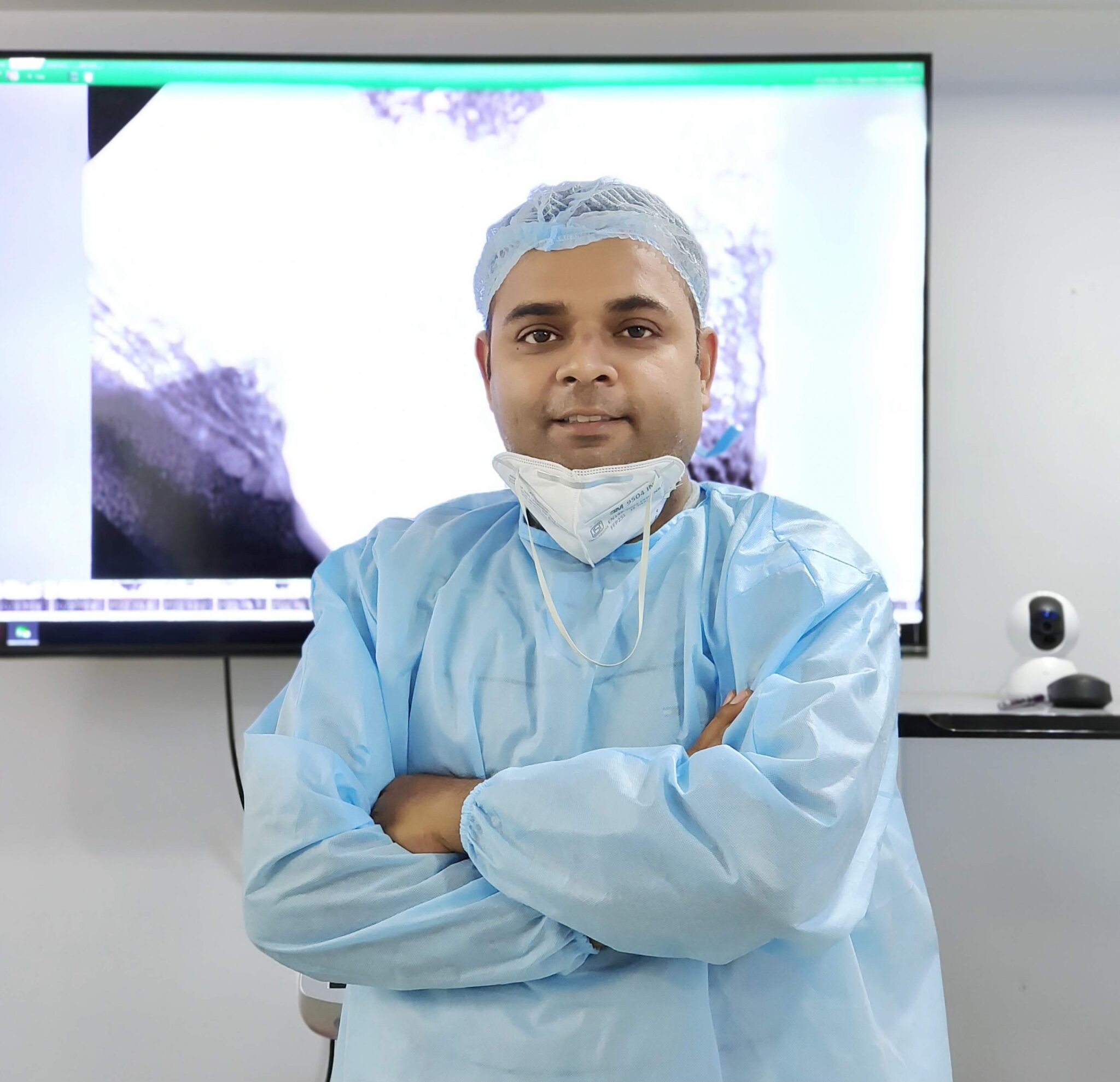
Meet Dr Harpreet Singh at Happi Smiles
Dr Harpreet Singh completed BDS and MDS training at Manipal in Conservative Dentistry and Endodontics. His role in a comprehensive plan includes diagnosis of damaged teeth, pulp and root canal assessment, restorative prognosis and coordination with other disciplines when required.
View Dr Harpreet Singh’s profile
Dr Harpreet Singh is identified as the clinician responsible for the page’s general clinical review.
Visiting Happi Smiles Dental Clinic in Indira Nagar
Clinic details
Happi Smiles Dental Clinic and Implant Center
S-95, Bhoothnath Market, Sector 5, Indira Nagar, Lucknow, Uttar Pradesh 226016
Phone: 07019725870
Hours: 10:00 AM–9:00 PM, Monday to Sunday
Hours can change on holidays. Call before travelling or if you need current accessibility or parking guidance.
Clinic map
Load the interactive map only when needed.
The clinic is in Bhoothnath Market, Sector 5, Indira Nagar, Lucknow.
Full Mouth Rehabilitation FAQs
Is full mouth rehabilitation one operation?
No. It is a coordinated plan that can combine several procedures in stages according to diagnosis and response.
Does every tooth receive a crown?
No. Teeth may be monitored, repaired conservatively, restored differently, replaced or treated by another discipline. Full coverage is not automatically required.
Why is disease control completed first?
Active decay, gum inflammation and infection can undermine definitive restorations. Stabilisation also shows how the mouth responds before further irreversible care.
Can worn teeth always be rebuilt?
Many can be restored, but the cause, remaining structure, space, bite and ability to maintain the result determine what is appropriate.
Will full mouth treatment cure jaw-joint pain?
Not reliably. Jaw and facial pain need their own diagnosis, and irreversible bite changes should not be presented as a universal cure.
Why might provisional restorations be used?
They can help assess proposed form, function, speech, cleaning and patient adaptation before selected definitive restorations.
How long does full mouth rehabilitation take?
The sequence varies with disease control, healing, number of stages, laboratory work and input from other disciplines. An assessment is needed before a timeline is discussed.
When do widespread dental problems need urgent care?
Seek prompt help for swelling, fever, pus, escalating pain, trauma or bleeding. Breathing or swallowing difficulty and spreading swelling require urgent medical attention.
Individual diagnosis and treatment planning may differ from these general answers.
Arrange an assessment for full mouth rehabilitation in Lucknow
Contact the clinic to discuss symptoms, previous records and current appointment availability.
Contact the clinic
Call or message the clinic. Avoid sending confidential medical records through an unsecured message.
Related dental treatments in Lucknow
Dental crowns
Crowns may form one part of a wider restorative sequence when justified.
Explore dental crownsDental bridges
Selected missing-tooth spaces may be restored with fixed bridgework.
Explore dental bridgesTeeth replacement
Replacement choices are compared within the broader health and bite plan.
Explore teeth replacementClinical information sources
- American College of Prosthodontists: Full mouth reconstruction
- UCLH: Prosthodontic services
- NHS: Dental treatments
Sources accessed 30 September 2026. This page provides general education and does not replace examination, diagnosis or personalised advice.